
Breaking a lease in Texas: your rights and what it costs
By Sofia Kowalski · Updated 2026-07-24
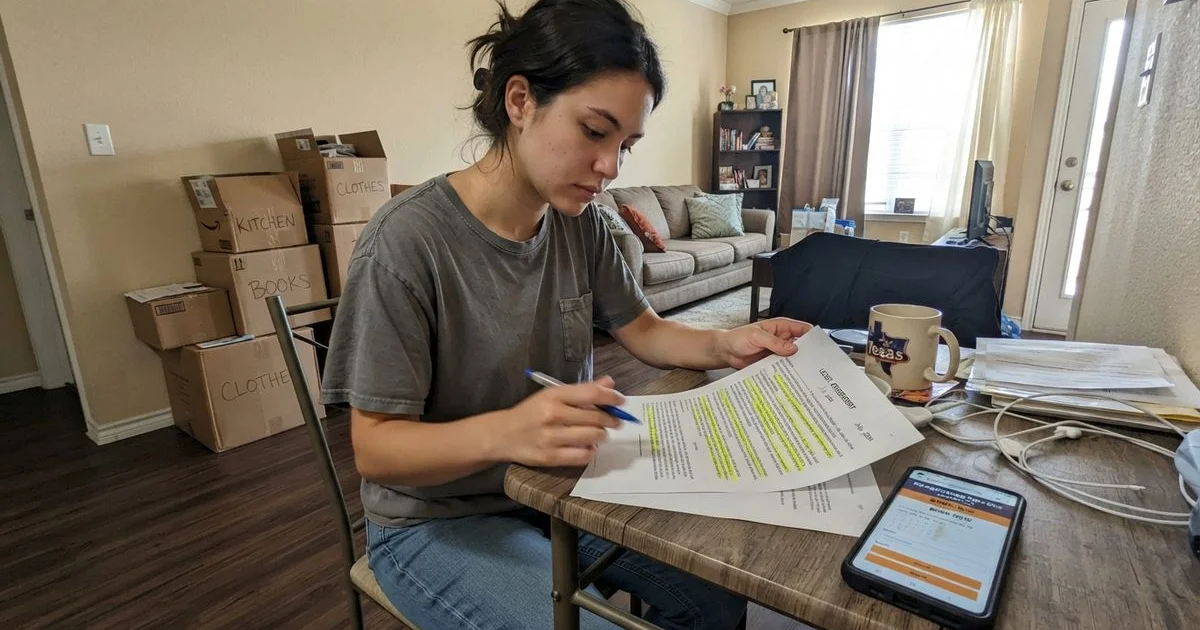
This is general information about how lease termination typically works in Texas, not legal advice. Specific rights and remedies depend on your lease terms and situation, so confirm current details with the Texas Attorney General’s tenant resources or a local attorney before making a decision.
Needing to leave a lease early happens for all kinds of reasons: a job relocation, a change in household situation, or a property that simply isn’t working out. Here’s a realistic look at what breaking a lease in Texas generally involves, and how to handle it in a way that doesn’t follow you into your next apartment search.
What usually happens if you just leave
If you leave without a legal exception or the landlord’s agreement, you’re generally still responsible for rent under the lease terms, though the landlord typically has a duty to make a reasonable effort to re-rent the unit rather than simply collecting rent from you for the full remaining term. In practice, this often means you owe rent until a new tenant moves in, plus possibly your security deposit and additional fees, depending on your specific lease.
How long that takes varies a lot by market conditions and the specific property. A unit in a high-demand category can re-rent within weeks, which limits your exposure. A less in-demand unit could sit vacant longer, and that gap is generally still your responsibility until it’s filled. This uncertainty is exactly why simply stopping payment and walking away tends to be the costliest option on the list.
Common ways leases end early
| Path | What it generally involves |
|---|---|
| Lease-break clause | Many leases include a set fee (often one to two months’ rent) to end early with notice |
| Mutual agreement | Landlord agrees to release you, sometimes with a negotiated fee |
| Legal exception | Situations like certain military orders, family violence, or an uninhabitable unit may qualify under Texas or federal law |
| Subletting or lease transfer | Someone else takes over the lease with landlord approval, if the lease allows it |
| Just leaving | Generally the most expensive and risky option, since you may still owe rent and face collections |
Legal exceptions worth knowing about
Texas and federal law recognize some specific situations that can let a tenant end a lease without the usual penalty, including active military deployment under federal protections, documented family violence situations, and cases where a landlord fails to fix a genuinely uninhabitable condition after being properly notified. These exceptions have specific requirements and documentation involved, so if you believe your situation qualifies, it’s worth confirming the details with an official source or an attorney rather than assuming.
Each of these paths generally requires you to notify the landlord in a specific way and, in most cases, provide documentation supporting the exception. Skipping that step, even when you have a genuinely qualifying situation, can undermine your legal position later. Treat the notification and documentation requirements as seriously as the underlying reason itself.

How to handle it the right way
Talk to your leasing office before you make a decision, not after you’ve already stopped paying. Many properties would rather negotiate a lease-break fee or help you find a replacement tenant than deal with a vacancy and potential collections process. Get any agreement in writing, including the exact amount owed and the date your responsibility ends. This protects you if there’s a dispute later about what was actually agreed to.
If you’re leaving because of a genuine issue with the unit itself, such as an unresolved maintenance problem that affects habitability, document that history before you bring up ending the lease. A paper trail of written requests and the property’s response, or lack of one, strengthens your position whether you’re negotiating an early release or pursuing a legal exception.
The bottom line
Breaking a lease is rarely free, but it’s also rarely as catastrophic as it feels in the moment if you handle it directly with the property rather than avoiding the conversation. Understand your specific lease terms, ask about your options early, and get everything in writing. For more on how we evaluate resident experience across DFW communities, see our scoring methodology, or return to the directory home page to continue your search.
Questions people ask
- What does it typically cost to break a lease in Texas?
- Costs vary by property and lease terms, but commonly include a lease-break or early termination fee, forfeiting your security deposit, and sometimes rent owed until the unit is re-rented. Your specific lease will spell out the exact terms.
- Are there legal exceptions that let me break a lease without penalty?
- Texas law recognizes some exceptions, such as certain military deployment situations under federal law, family violence protections, and uninhabitable living conditions the landlord fails to fix. Whether your situation qualifies depends on the specifics, so confirm with an official source or attorney.
- Will breaking a lease hurt my ability to rent again?
- It can, particularly if the property sends the balance to collections or reports it to a screening service. Communicating with the landlord and getting any agreement in writing generally leads to a better outcome than simply stopping payment and leaving.
- What's the difference between breaking a lease and subletting?
- Breaking a lease ends your obligation with the landlord's agreement or a legal exception. Subletting keeps your name on the lease while someone else pays and lives there, and it generally requires the landlord's written approval.