
Your first apartment in DFW: a beginner's guide to renting
By Sofia Kowalski · Updated 2026-07-28
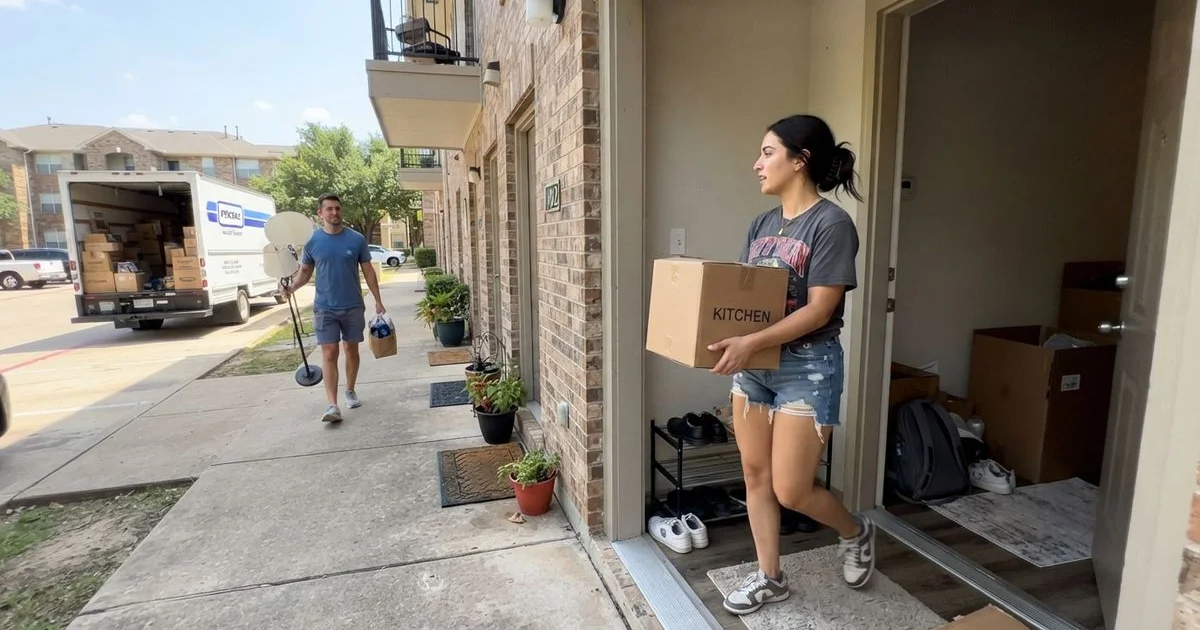
Renting your first apartment comes with a learning curve that nobody really explains upfront. Here’s a practical starting point for navigating the DFW Metroplex without the trial and error.
Step 1: set a real budget
Before you look at a single listing, figure out what you can actually afford. A common guideline is 20 to 30 percent of gross monthly income for rent, though your personal number should also account for other debts and expenses. Just as important: check that against what properties actually require. Many DFW communities set a minimum income requirement around 2.5 to 3 times the monthly rent, and that threshold matters more to your approval than your own comfort level.
If this is your first time budgeting for rent independently, it helps to write out your full monthly picture first, rent, utilities, groceries, transportation, and any existing debt, rather than working backward from a single number you saw in a listing. A unit that fits the income requirement on paper can still stretch your actual monthly budget thin once every other expense is accounted for.
Step 2: understand community types
The Metroplex has genuinely different categories of apartments, and picking the right one narrows your search fast:
- Garden-style and suburban communities generally offer more space per dollar and easier parking.
- Luxury high-rise communities cost more but offer walkability and premium amenities.
- Affordable and income-restricted housing caps rent based on income eligibility.
- Senior and 55+ communities are built around an older resident base and different amenities.
Step 3: gather your documents early
| Document | Why you need it |
|---|---|
| Government-issued ID | Required for every applicant |
| Proof of income | Pay stubs, offer letter, or bank statements |
| Social Security number | Used for credit and background checks |
| Rental or personal references | Especially useful if you have no rental history |
| Co-signer information, if needed | Have this ready if your income alone won’t clear the bar |
| Application fee funds | Usually non-refundable, so budget for it separately from move-in costs |
Step 4: tour before you commit
Photos never tell the full story. On a tour, walk every room, check water pressure, ask about what’s included in rent versus billed separately, and ask directly about maintenance response times. Take notes, especially if you’re comparing multiple properties in one day, since details blur fast.

Step 5: budget for move-in, not just monthly rent
Beyond the advertised rent, plan for a security deposit, an application and admin fee, and first month’s rent before you get keys. If you’re bringing a pet, add a one-time deposit or fee commonly in the $200 to $500 range per pet, on top of ongoing monthly pet rent. Underestimating this upfront cost is one of the most common first-time renter mistakes.
Step 6: read the lease before you sign it
It’s tempting to skim and sign, especially after a long search. Read the actual lease, not just the summary sheet handed to you. Pay attention to the lease-break policy, what’s included in rent, the pet policy if it applies to you, and how maintenance requests and deposit returns are handled. Ask questions about anything unclear before you sign, not after.
It’s normal to feel rushed by a leasing office eager to close the deal, but a reasonable property will give you time to read through the lease. If you’re pressured to sign on the spot without a chance to review it, treat that as worth a second thought rather than a reason to hurry.
You’ve got this
A first apartment search feels overwhelming mostly because of the unknowns. Once you understand the budget math, the document requirements, and what a lease actually says, most of the process becomes straightforward, and each search after this one gets noticeably easier. For more on how we evaluate communities across categories, see our scoring methodology, or start browsing from the directory home page.
Questions people ask
- What's the first step in finding my first apartment?
- Set a realistic budget before you start browsing. A common guideline is 20 to 30 percent of gross monthly income for rent, and checking that against actual income requirements at properties you're interested in saves wasted time.
- Do I need a co-signer for my first apartment?
- It depends on your income and credit history. If you don't yet meet a property's income or credit threshold on your own, a co-signer or guarantor with sufficient income can often bridge the gap.
- What if I have no rental history?
- Many properties accept alternative documentation like proof of income, bank statements, or a co-signer in place of rental history. Ask the leasing office directly what they accept if you're new to renting.
- What should I check before signing my first lease?
- Read the full lease, not just the summary sheet: understand what's included in rent, the lease-break policy, the pet policy if relevant, and the process for maintenance requests and deposit return.