
Apartment safety in DFW: what to check before you sign a lease
By Sofia Kowalski · Updated 2026-07-31
This is general safety information to guide your own tour and research, not a substitute for checking current local crime data or a professional security assessment.
Safety is a personal, practical concern that’s easy to overlook when you’re focused on floor plans and rent. A short checklist during your tour can catch issues that aren’t obvious from photos or a quick walkthrough, and it takes only a few extra minutes to work through while you’re already there.
What to check during the tour
- Exterior door locks. Confirm a working deadbolt, not just a standard doorknob lock.
- Window locks. Check that windows, especially ground-floor ones, latch securely.
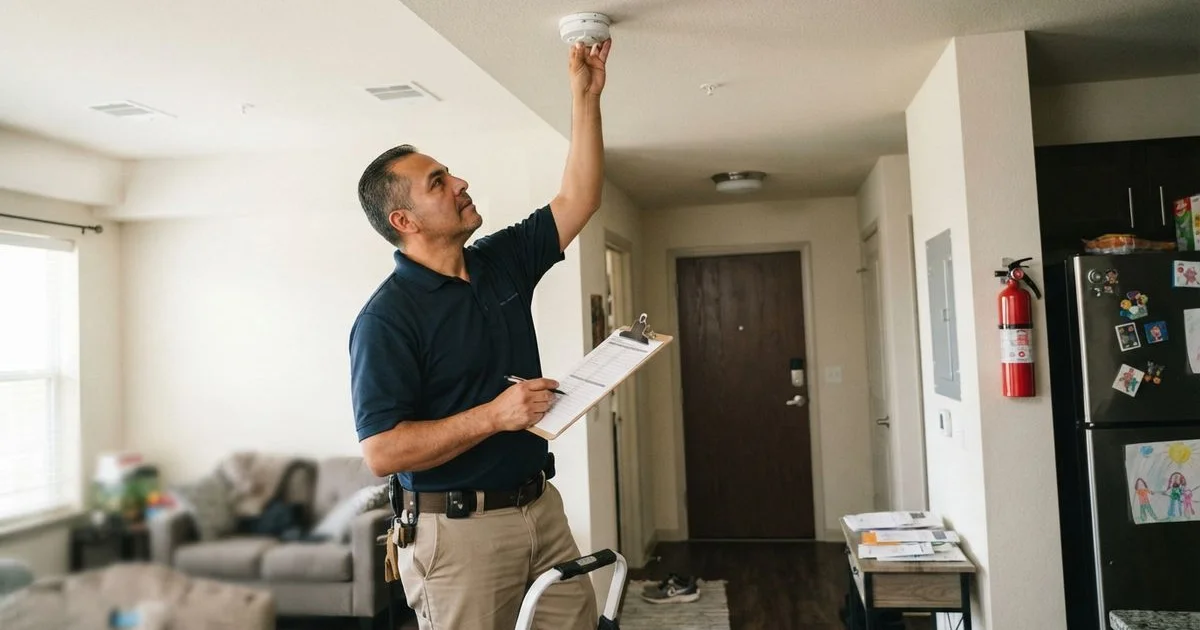
- Smoke detectors. Look for a visible unit in the bedroom and common areas, and ask when they’re last tested.
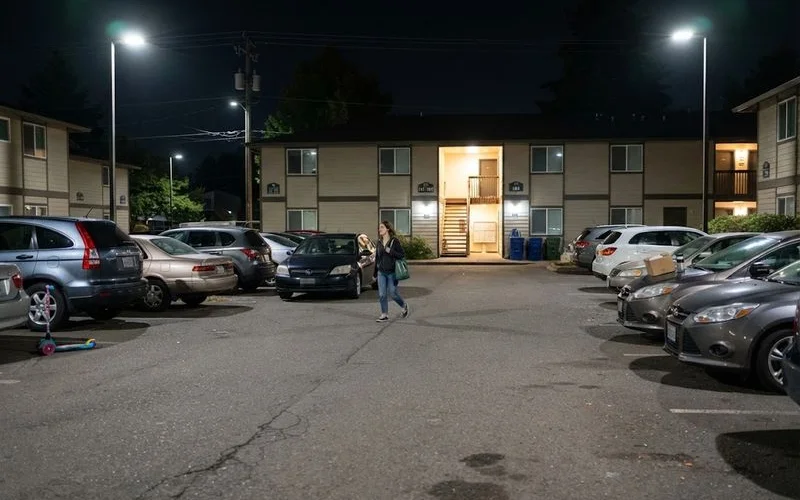
- Lighting. Walk the parking area and any exterior walkways, and ask about lighting hours if you’re touring during the day.
- Parking security. Ask whether the lot or garage is gated, monitored, or has had any reported incidents.
- Package and mail security. Ask whether package theft has been an issue and how the property handles it.
- Visitor access. Ask how guests are let in, whether that’s a call box, a code, or an unstaffed open entrance, since controlled access affects who can walk through common areas.
None of these checks take long, but doing them consciously rather than casually is what turns a tour from a formality into an actual assessment. It’s worth watching for pest activity too; our pest problems guide covers the difference between an isolated issue and a building-wide one.
A quick tour checklist
| Area | What to check |
|---|---|
| Entry door | Deadbolt present and functional |
| Windows | Secure latches, especially ground floor |
| Smoke detectors | Present, recently tested |
| Parking | Gated, lit, monitored if possible |
| Common areas | Adequate lighting, clear sightlines |
| Fire safety | Extinguishers or sprinklers visible in common areas |
Beyond the unit itself
Neighborhood safety concerns come up in resident feedback across the Metroplex, and they’re worth researching independently rather than relying solely on how a property markets itself. Public crime data resources for a specific area can give a more objective picture than a leasing office’s description. It’s also worth visiting a property at night if you can, since a location can feel very different after dark than during a daytime tour.
Talking to current residents, if you get the chance in a common area or parking lot, is another useful source that a leasing office can’t fully replace. People living there day to day will usually tell you plainly whether they feel safe walking to their car after dark or whether package theft has been a recurring headache, details that rarely make it into a sales pitch.
Ask about the property’s own track record
A gated community or a security camera sign is only as good as its actual upkeep. Ask directly whether the gate is consistently functional, whether cameras are monitored or just decorative, and whether there have been recent security incidents the property is aware of. A leasing agent who’s evasive about these questions is itself worth noting.
It’s also fair to ask how the property handled its most recent security incident, if there’s been one. The specific answer matters less than how directly they respond. A team that describes what happened and what changed afterward is showing you more than a generic reassurance ever could.
If something comes up after you move in
Report safety concerns in writing, not just verbally, so there’s a record. For anything urgent, like a broken exterior lock or a non-functioning smoke detector, ask for a specific timeline and follow up if it isn’t met. A responsive property will treat a safety issue with more urgency than a routine maintenance request, and a repeated delay on something urgent is worth escalating in writing to management rather than letting it drop.
A little research before you sign goes a long way toward feeling secure in your new home. For more on how resident feedback factors into our rankings, see our scoring methodology, or return to the directory home page to keep comparing communities.
Questions people ask
- What safety features should I check during an apartment tour?
- Check that exterior doors have a deadbolt, windows lock securely, smoke detectors are present and appear functional, and hallways or parking areas are well lit at night if you can view them or ask about lighting hours.
- Is a gated community actually safer?
- A gate helps, but it's not a guarantee on its own. Ask whether the gate is consistently maintained and closed, since a broken or propped-open gate offers little real protection despite the marketing.
- How can I check on neighborhood safety before signing?
- Ask current residents if you can, check public crime data resources for the specific area, and visit the property at night as well as during the day to get a fuller picture than a daytime tour alone provides.
- What if I have a safety concern after I move in?
- Report it to the leasing office in writing and ask for a specific response plan. If it's an urgent security issue like a broken exterior door lock, ask how quickly it will be addressed and follow up if it isn't.