
Pest problems in DFW apartments: what's normal and what's a red flag
By Sofia Kowalski · Updated 2026-07-21
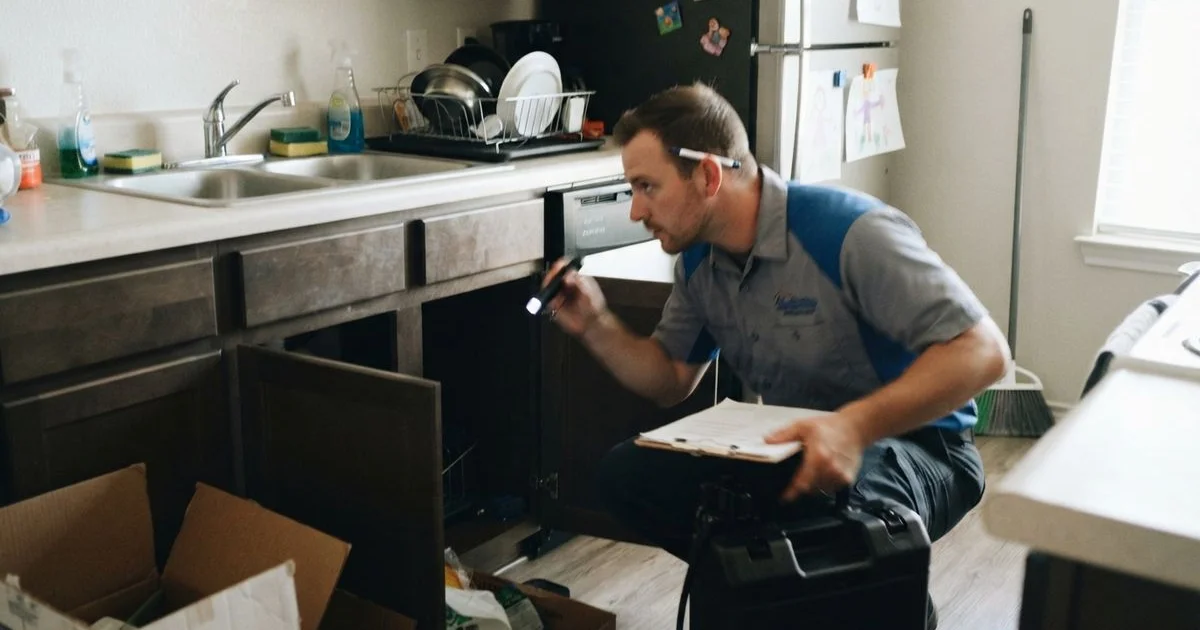
Pest problems, particularly roaches, are one of the more consistent complaint themes among DFW apartment renters. That doesn’t mean every community has an issue. It means it’s worth asking about directly, both before you sign and if something comes up after you move in, and knowing what a reasonable response looks like versus a neglected one.
Why this comes up so often in Texas
The DFW Metroplex’s warm, humid climate is naturally more favorable to pests like roaches and ants than drier or colder regions. That’s a regional reality, not a sign that a specific property is poorly managed. What actually separates a well-run community from a problem one is how quickly and thoroughly pest issues get addressed, not whether they ever occur at all.
Older buildings tend to see more recurring issues than newer construction, simply because gaps around plumbing, aging weatherstripping, and shared walls with neighboring units create more entry points. That doesn’t mean an older property is automatically a bad choice. It means pest control frequency and building maintenance history matter more the older a property is, and it’s a fair thing to ask about directly rather than assume.
Isolated issue vs building-wide problem
| Signal | Likely isolated | Possible building-wide issue |
|---|---|---|
| Where it’s reported | Just your unit | Multiple units, especially nearby ones |
| Pest control response | Prompt, resolves after one or two visits | Recurring visits without lasting results |
| Timing | Shortly after you noticed something specific (a spill, an open food source) | Ongoing over months regardless of your own housekeeping |
| Building age or maintenance | Newer or well-maintained plumbing and sealing | Older plumbing, cracks, or shared walls with neighboring issues |
What to ask before you sign
- How often does the property schedule routine pest control?
- Has this specific unit, or nearby units, had any pest issues in recent months?
- Is pest control included in rent, or billed separately if requested?
- What’s the process if I report an issue after move-in?
- Do you use a licensed pest control vendor, and how often do they service the property?
A leasing agent who answers specifically, rather than deflecting, is a good sign either way. If they can tell you the name of their pest control vendor and roughly how often service visits happen, that level of detail usually reflects a property that treats it as routine maintenance rather than an occasional afterthought. Pest questions are just one piece of a broader pre-lease check; our apartment safety checklist covers locks, lighting, and other tour basics worth confirming at the same time.
What to do if you have an issue after move-in
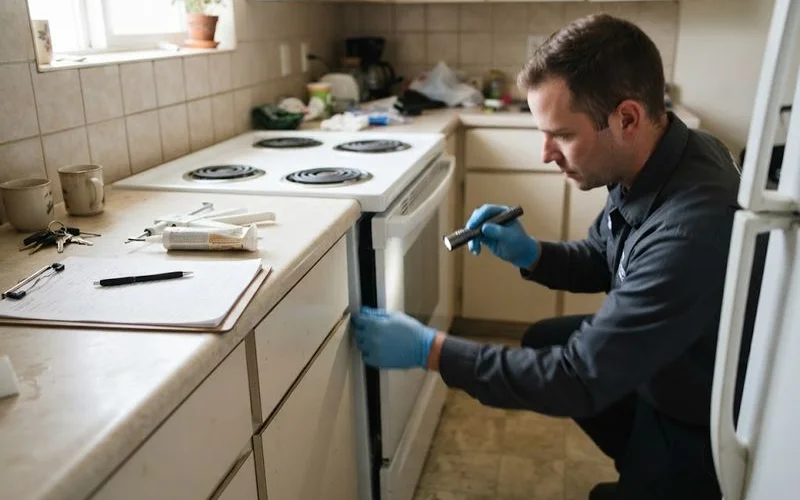
Report it in writing, not just verbally, so there’s a documented timeline. Ask for the property’s standard pest control response, and follow up in writing if the first treatment doesn’t resolve it. Most leases treat pest control as part of the landlord’s responsibility to maintain a habitable unit, especially for a recurring or building-wide issue, though your specific lease terms govern the details. If a documented, reasonable follow-up process still doesn’t resolve a persistent problem, put your concerns in a formal written complaint to management before considering other steps.
It also helps to do some basic prevention on your end: sealing food, taking out trash regularly, and reporting any plumbing leaks quickly, since standing moisture and accessible food sources make almost any pest problem worse regardless of how responsive the property is. This isn’t about self-blame if an issue shows up. It’s about ruling out the easy causes before assuming the building itself is the problem.
The bottom line
A pest issue that gets addressed quickly is a normal part of apartment living almost anywhere in Texas. A pest issue that lingers despite repeated reports is a real red flag about how a property handles maintenance more broadly, and it often signals wider maintenance responsiveness problems beyond just pests. Asking the right questions upfront, and documenting anything that comes up afterward, is the best protection either way. For more on how resident feedback like this factors into our rankings, see our scoring methodology, or return to the directory home page to keep comparing communities.
Questions people ask
- Are pest problems common in DFW apartments?
- Pest issues, particularly roaches, come up often enough in resident feedback that it's worth asking about directly during a tour rather than assuming it won't apply to a given property. Texas's warm, humid climate makes pest pressure a fact of life for most multifamily housing.
- Is my landlord responsible for pest control?
- In most cases, yes, especially for building-wide or recurring issues, since pest control is generally considered part of maintaining a habitable unit. Specific responsibilities can vary by lease, so check yours directly.
- How do I know if a pest issue is isolated or building-wide?
- Ask the leasing office directly about recent pest control service history and whether other units nearby have reported similar issues. A pattern across multiple units is different from an isolated incident in one apartment.
- What should I do if pest control doesn't fix the problem?
- Document the issue in writing, request a follow-up treatment in writing, and keep a record of dates and communication. If the problem persists despite reasonable follow-up, escalate to a formal written complaint before considering other options.