
Elevator and high-rise safety: what to ask before renting in DFW
By Sofia Kowalski · Updated 2026-06-22
This is general information to help you ask better questions during a tour, not a substitute for the building’s own safety and fire code documentation.
High-rise living comes with a tradeoff that garden-style communities don’t have: your ability to get in and out of your own home depends on mechanical equipment working. Elevator reliability is one of the most consistent complaint themes among DFW high-rise residents, alongside general building safety questions that don’t come up in a single-story or low-rise community. Here’s what’s worth asking before you sign.
Browsing luxury high-rise listings side by side is a good way to compare buildings on more than just rent and floor plan before you tour.
Elevator reliability: the most common complaint
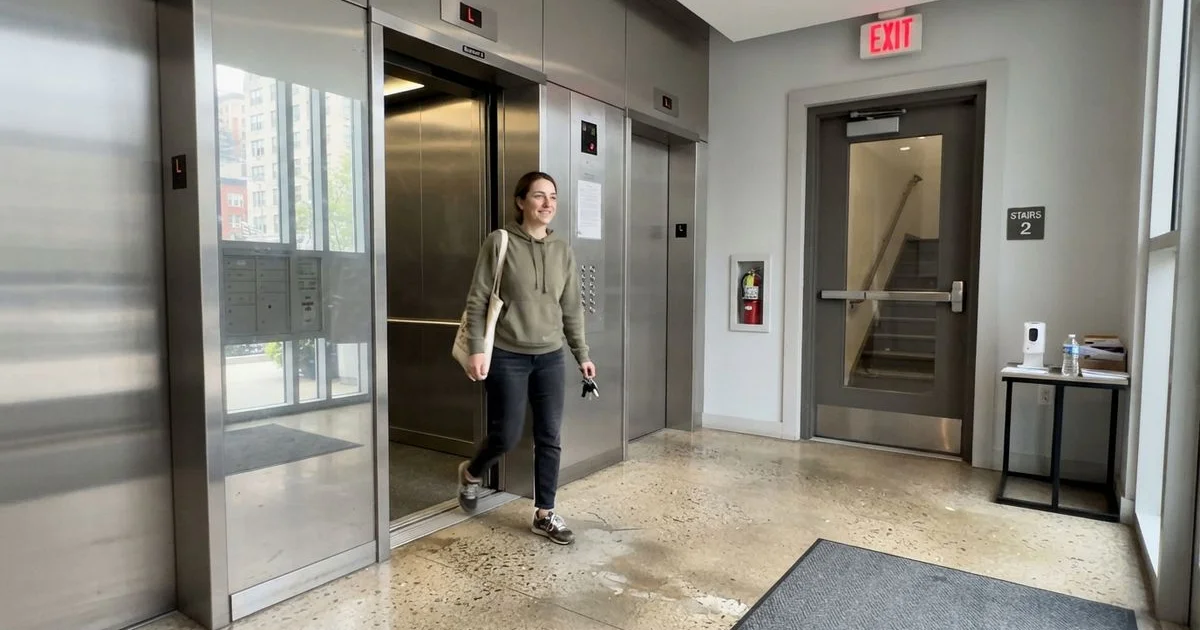
Across resident feedback for DFW high-rise buildings, frequent or chronic elevator breakdowns come up more often than almost any other maintenance issue. A broken elevator isn’t just an inconvenience. For an upper-floor resident, a mobility-limited resident, or anyone moving furniture, it can mean days of stairs. A building with two or three elevators generally weathers a single outage far better than one relying on a single unit, since residents still have a working path in and out while repairs happen. Before signing, ask:
- How many elevators serve the building, relative to the number of units and floors?
- How often has an elevator been out of service in the past year, and for how long each time?
- Is there a service contract with a guaranteed response time, or is it handled ad hoc?
- What’s the plan if the only working elevator goes down during a move-in or move-out?
A leasing agent who can answer these specifically, rather than with a general “it’s rare,” is a good sign.
Questions to ask on a tour
| Topic | Question to ask | Why it matters |
|---|---|---|
| Elevators | How many, and recent downtime history? | Directly affects daily access to your unit |
| Fire safety | Where are the nearest exits and stairwells? | You should know this before an emergency, not during one |
| Evacuation plan | Is there a documented plan for residents? | Larger buildings should have one; ask to see a summary |
| Parking security | Is the garage gated, monitored, or staffed? | Unsecured garages are a recurring concern in resident feedback |
| Accessible units | Are ground-floor or accessible units available? | Useful to know even if you don’t need one now |
What to check on the walk-through
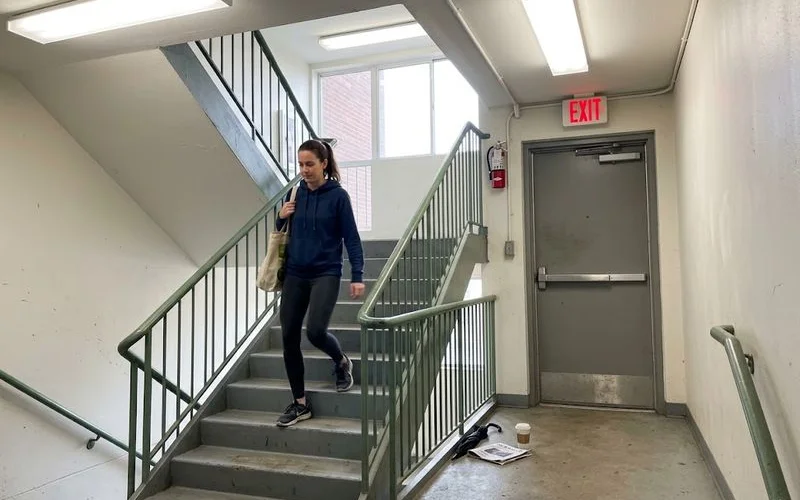
Beyond asking questions, look for practical signs during your visit: are stairwell doors clearly marked and unobstructed, are smoke detectors visibly present in common areas, and is the parking garage gated or monitored. Unsecured or poorly lit parking is a recurring theme in resident complaints across the Metroplex, particularly at buildings that don’t staff the garage entrance around the clock.
Take a moment to actually ride the elevator during your tour rather than just glancing at it. Notice whether it feels well maintained, whether the inspection certificate posted inside is current, and whether it responds promptly when called. These small details tell you more about ongoing maintenance quality than a leasing agent’s assurance ever will. Well-run buildings that pass this test are usually the same ones charging a real premium; the luxury high-rise apartment cost guide breaks down what that premium actually pays for.
If mobility or accessibility matters to you
If you or a household member has mobility needs, elevator reliability moves from a convenience question to a practical necessity. Ask specifically about accessible units, ground-floor availability, and what accommodations the building offers if an elevator is down for an extended repair. Get any commitments that matter to your decision in writing as part of your lease or a written addendum, since a verbal promise during a tour carries no weight after you’ve moved in.
None of this means high-rise living is risky by default. Most residents never have a serious issue. It means the questions worth asking are different from a garden-style search, and asking them upfront is far easier than discovering the answer the first time an elevator goes down. For more on how we weigh resident feedback like this into our rankings, see our scoring methodology, or head back to the directory home page to compare other community types.
Questions people ask
- How common are elevator breakdowns in high-rise apartments?
- It varies a lot by building. Resident feedback across DFW high-rises points to elevator reliability as one of the most recurring complaints, so it's worth asking directly rather than assuming a newer-looking building has fewer issues.
- What should I ask about elevators before signing a lease?
- Ask how many elevators the building has relative to its unit count, how often they've been out of service in the past year, and what the backup plan is if one goes down for repairs.
- Are high-rise apartments required to have accessible units or evacuation plans?
- Buildings covered by fair housing and building code rules generally must provide accessible units and a documented emergency plan, but specifics vary by building age and jurisdiction, so confirm details with the leasing office and don't rely on assumptions.
- What if I have mobility needs and the elevator is unreliable?
- Ask for a lower floor, ask about the building's accessible-unit policy, and get any elevator-reliability commitments in writing if they matter to your decision, since verbal assurances during a tour aren't enforceable.