
What luxury high-rise apartments cost in DFW and what drives the price
By Sofia Kowalski · Updated 2026-06-18
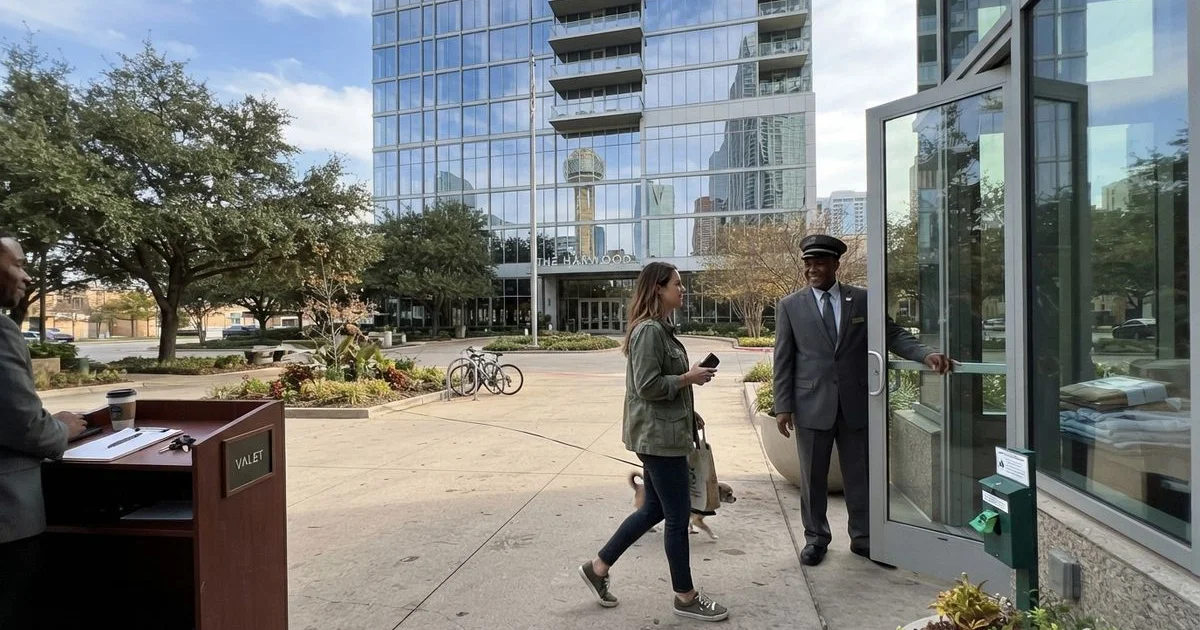
Luxury high-rise living is one of the most searched apartment categories in the DFW Metroplex, and it’s also one of the most misunderstood when it comes to pricing. The rent on a high-rise unit isn’t just paying for square footage. It’s paying for the building around it. Understanding what actually drives that price helps you figure out whether a specific building is worth the premium or whether you’re paying for amenities you’ll never touch.
Renters comparing options can browse current luxury high-rise communities in the Metroplex to see how pricing and amenities vary by building before narrowing a shortlist.
What actually pushes the price up
A handful of factors consistently separate a premium high-rise rent from a standard one:
- Building amenities. Rooftop pools, resident lounges, fitness centers, package rooms, and staffed lobbies all add to operating cost, and that cost shows up in rent across every unit in the building, not just the ones near the amenity.
- Parking. Garage or structured parking is common in high-rises and is frequently billed as a separate monthly fee on top of rent, unlike surface lots at many garden-style communities.
- Floor and view. Units on higher floors, especially those with unobstructed skyline or water views, are usually priced above lower or interior units in the same layout.
- In-unit finishes. Quartz counters, stainless appliances, in-unit washer and dryer, and smart-home features like keyless entry or app-controlled thermostats are increasingly standard in newer luxury buildings and are baked into the base rent.
- Location. Proximity to downtown cores and walkable districts like Uptown Dallas commands a premium over the same unit type a few miles out.
A quick way to compare cost drivers
| Cost driver | What to check | Why it matters |
|---|---|---|
| Parking | Included or billed separately | A “cheap” listed rent can hide a real monthly parking fee |
| Amenities | Which ones you’ll actually use | Paying for a gym you won’t visit is wasted budget |
| Floor and view | Price difference between floors | Sometimes a one-floor difference changes rent noticeably |
| Move-in fees | Deposit, admin fee, pet fee | These add up fast and are easy to underestimate |
What move-in actually costs
Beyond the advertised monthly rent, budget for a security deposit, an application and admin fee, first month’s rent, and, if you have a pet, a one-time pet deposit or fee that commonly runs $200 to $500 per pet on top of monthly pet rent. Many DFW communities also set income requirements around 2.5 to 3 times the monthly rent for approval, so it’s worth checking that threshold against your income before you fall for a unit you won’t qualify for.
Where renters get surprised
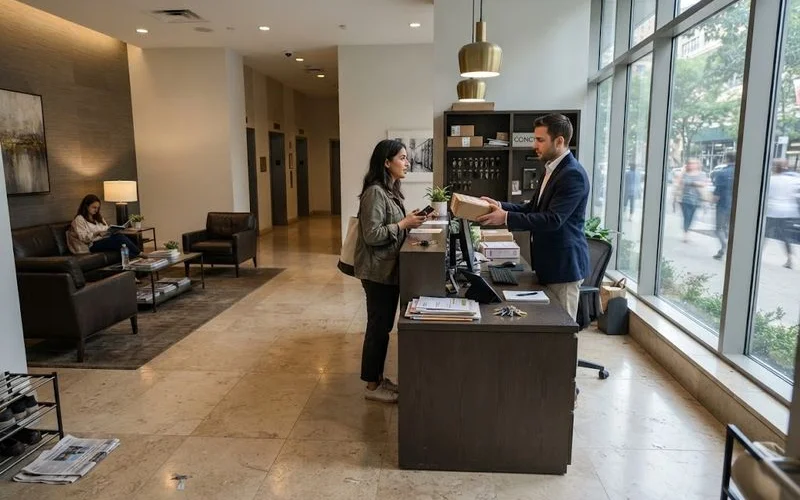
A recurring theme among high-rise residents is paying a premium price for amenities that turn out to be limited or poorly maintained: a pool that’s closed for repairs half the summer, a gym with outdated equipment, or a concierge desk that’s unstaffed more often than advertised. Before signing, ask specifically what’s included in the rent versus billed separately, and ask how often shared amenities have been out of service in the past year. A leasing office that can’t answer that clearly is itself useful information. Cost isn’t the only thing worth checking before you sign; the elevator and high-rise safety guide covers the questions worth asking about the building itself.
Is it worth the premium?
That depends entirely on what you’ll use. If a walkable downtown location, a fitness center you’ll actually visit, and not owning a car are real priorities, the premium can be a fair trade. If your main goal is more space for less money and you don’t need structured parking or a rooftop deck, a garden-style or mid-rise community in a similar area is worth comparing before you commit to the higher price point.
Our scoring methodology explains how we weigh pricing, amenities, and resident sentiment together, which is a useful cross-check against any single building’s marketing. And if you’re still narrowing your search, the DFW Multifamily Property Directory home page is a good starting point to compare categories side by side.
Questions people ask
- Why do high-rise apartments cost more than garden-style units?
- You're paying for the building, not just the unit: structured parking, elevators, staffed lobbies, and shared amenities like pools or fitness centers all get folded into rent. A garden-style community with surface parking and no shared lobby carries less overhead to pass on.
- Does floor level actually change the price?
- Usually, yes. Higher floors with better views are typically priced above lower or interior-facing units in the same building, sometimes by a noticeable margin for the top few floors.
- Are move-in costs higher for luxury high-rises too?
- Often. Beyond the deposit and first month's rent, expect application and admin fees, a garage parking fee in many buildings, and a pet deposit or fee in the $200 to $500 range per pet if you're bringing an animal.
- Is a luxury high-rise worth the extra cost?
- It depends on what you'll actually use. A rooftop pool or concierge desk is only worth paying for if you'll use it regularly; if you mainly want a quiet, well-located unit, a mid-rise or garden-style option in the same area may get you there for less.