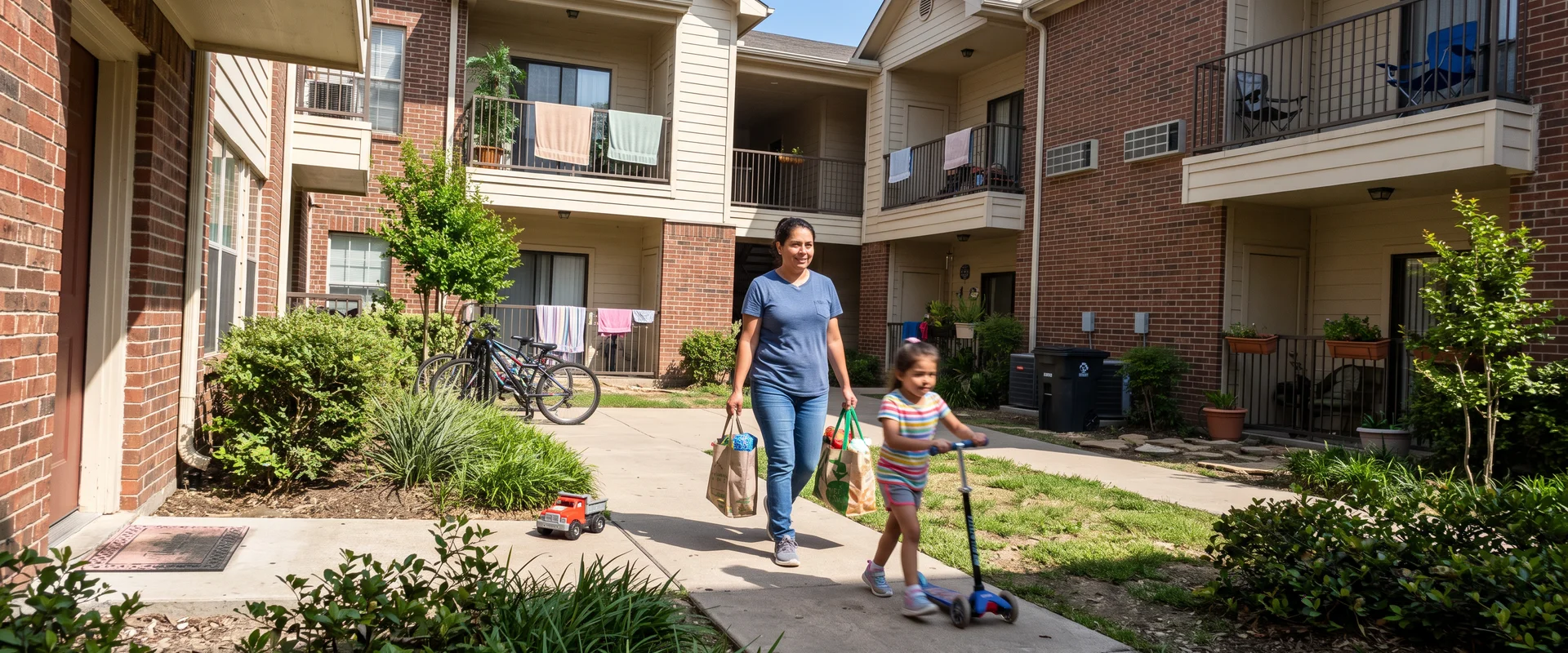
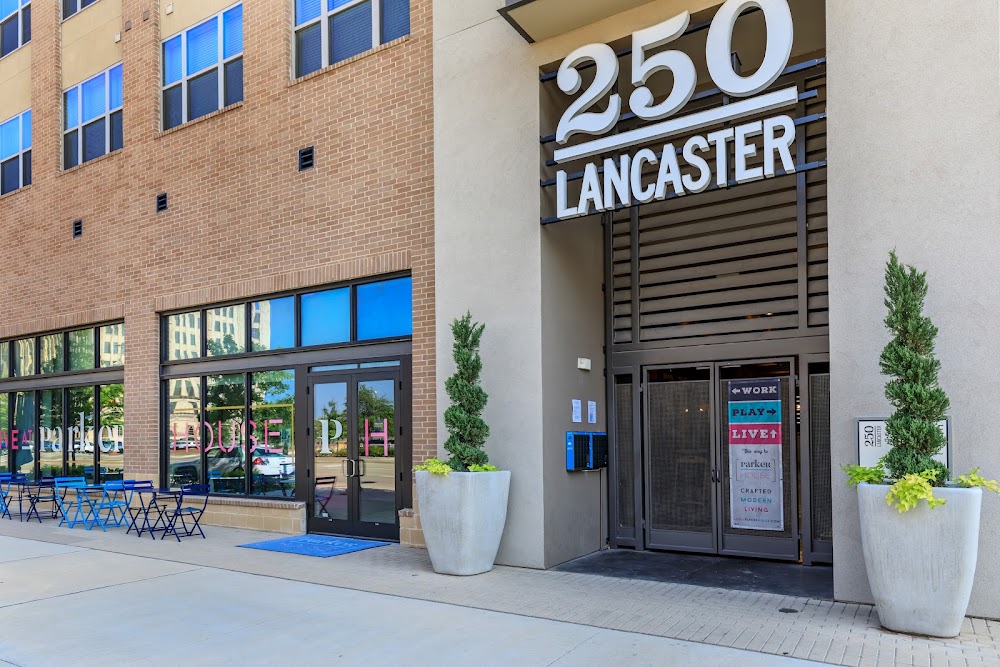
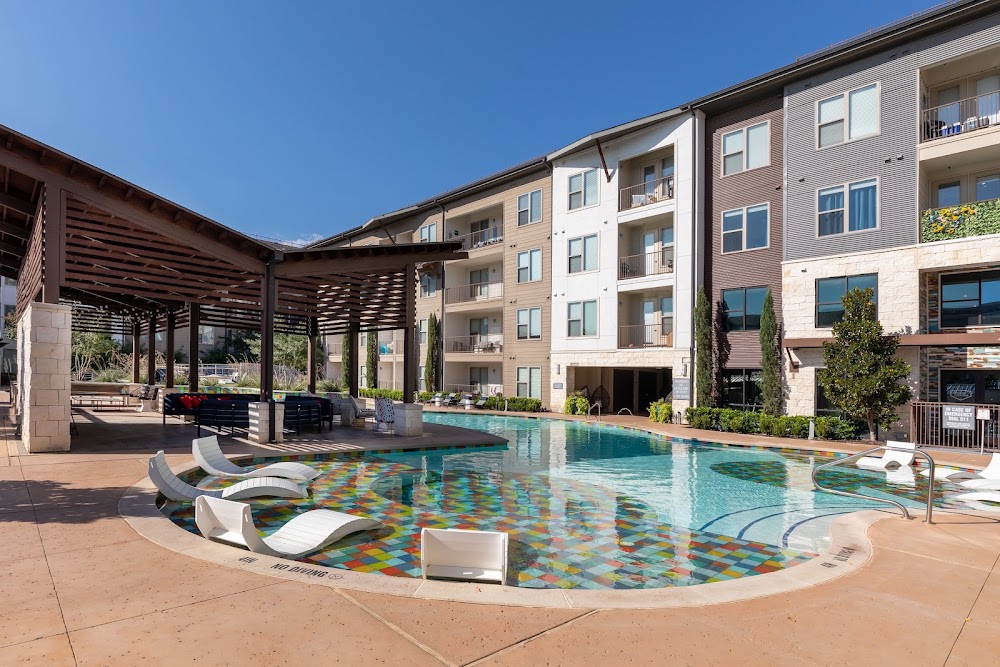
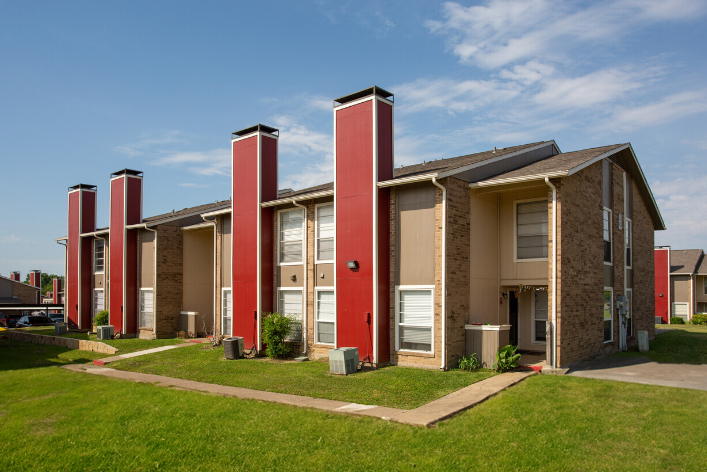
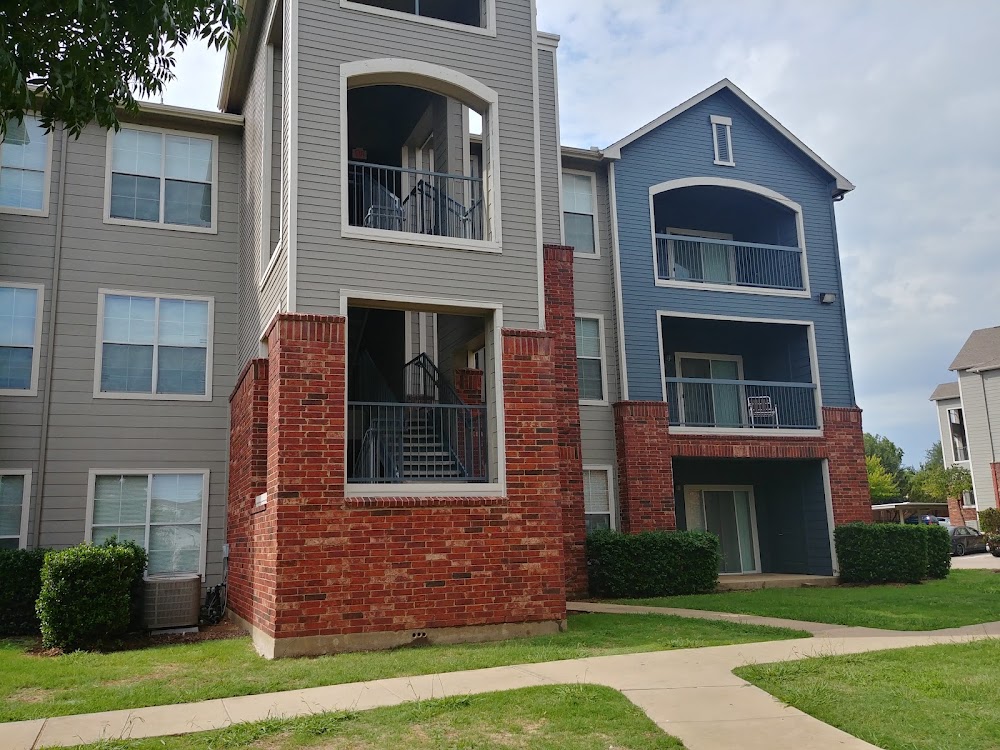
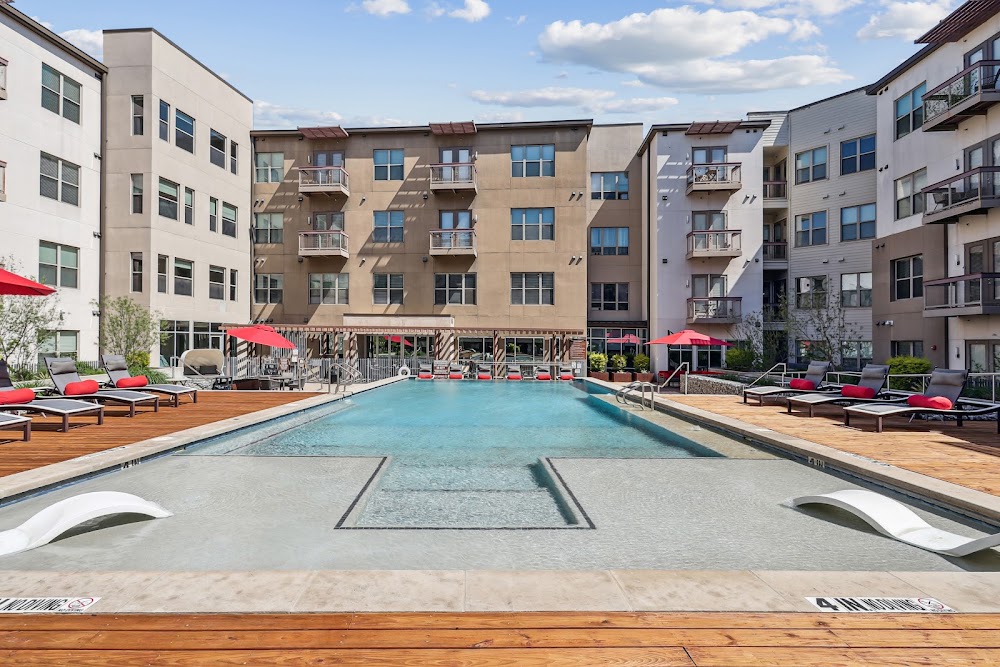
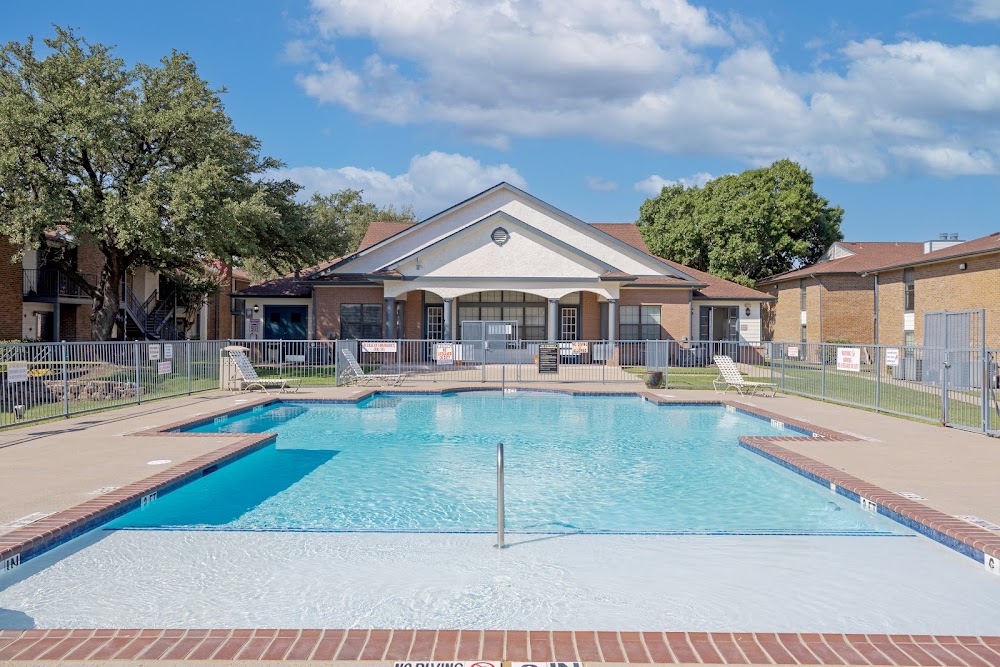
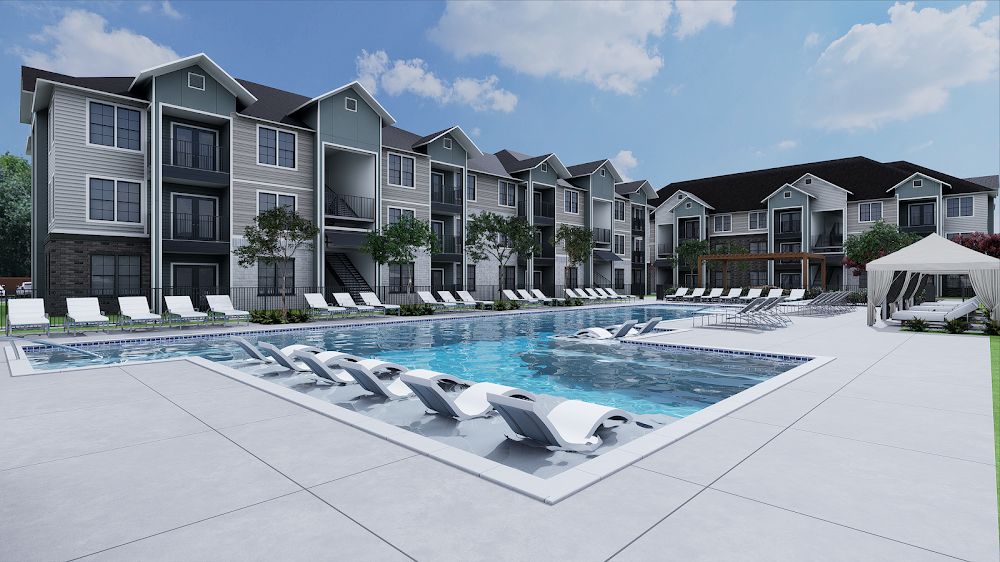
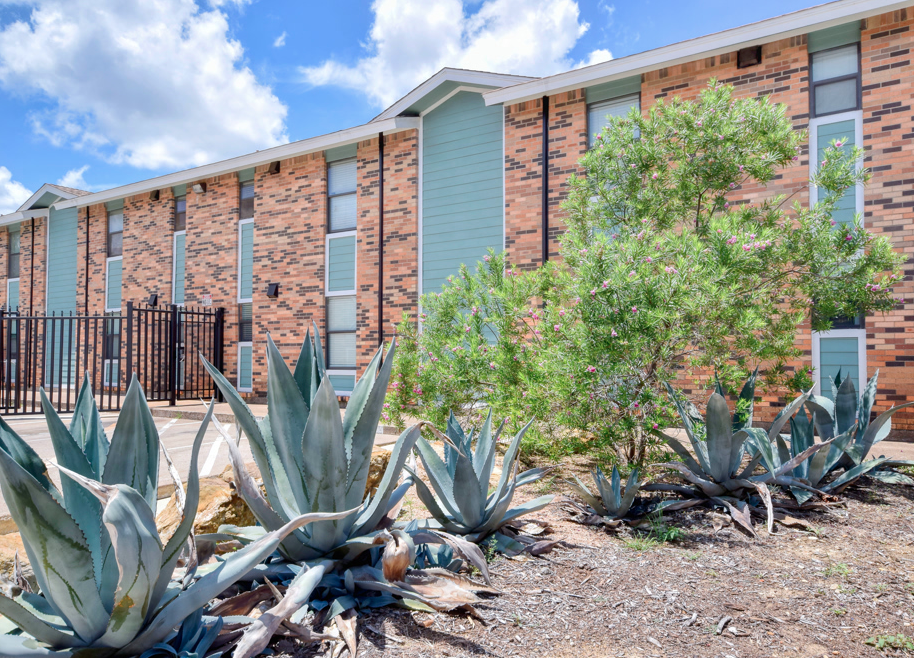
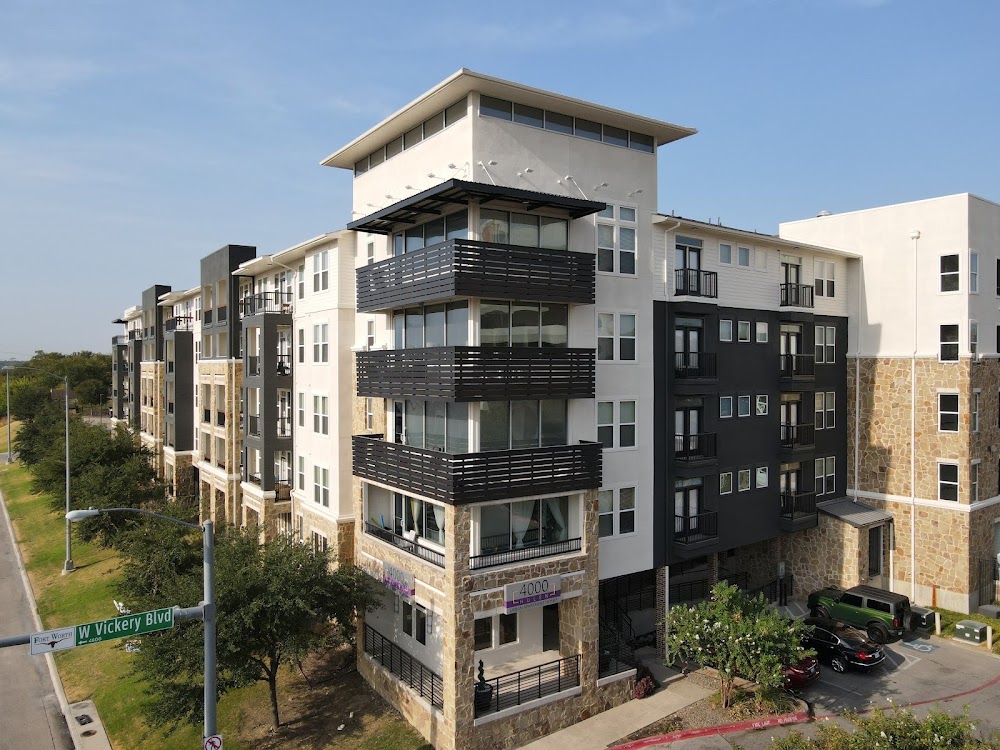
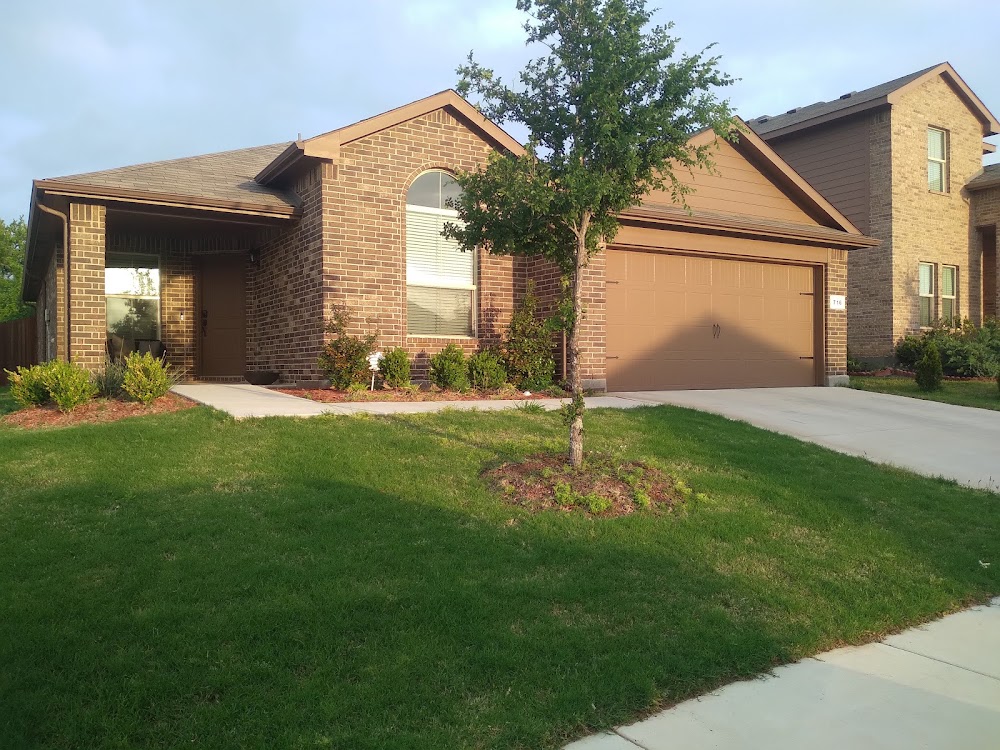
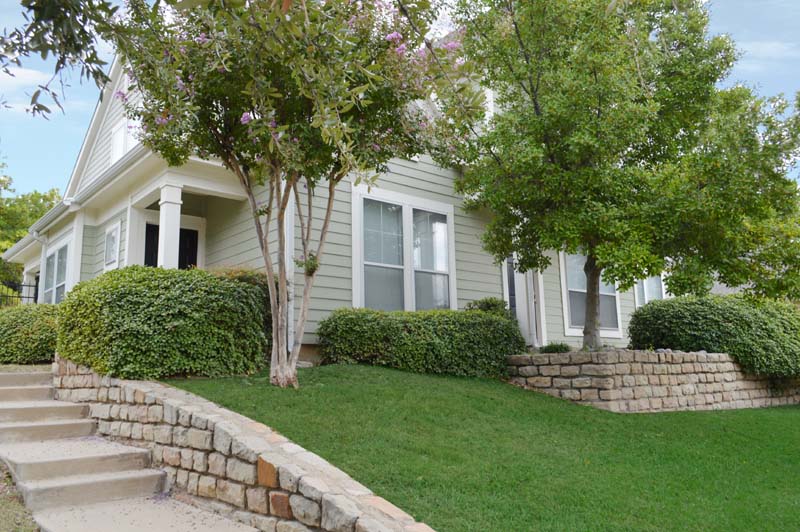
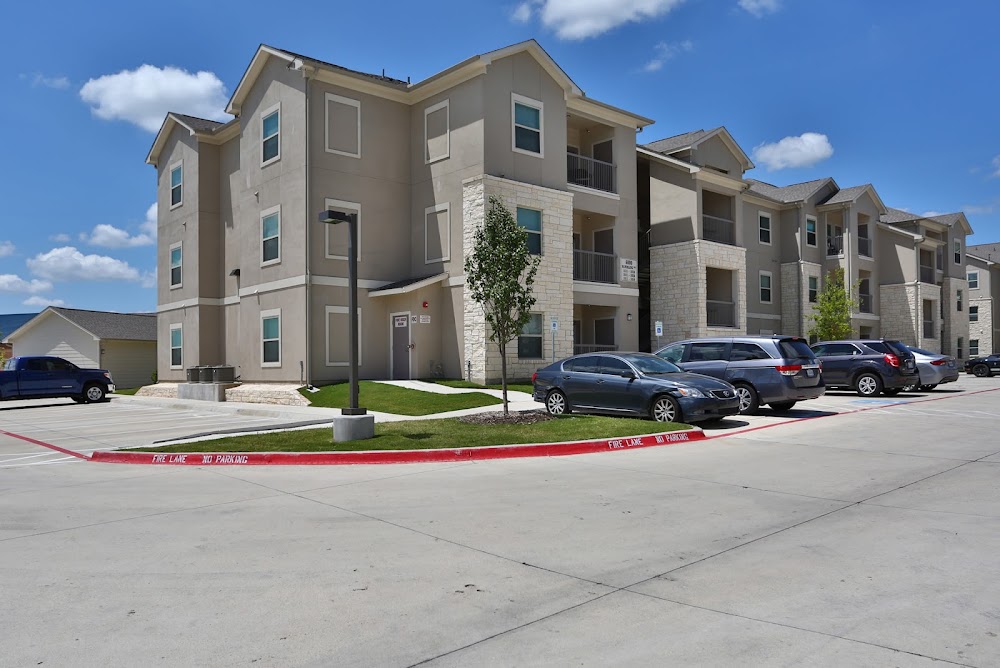
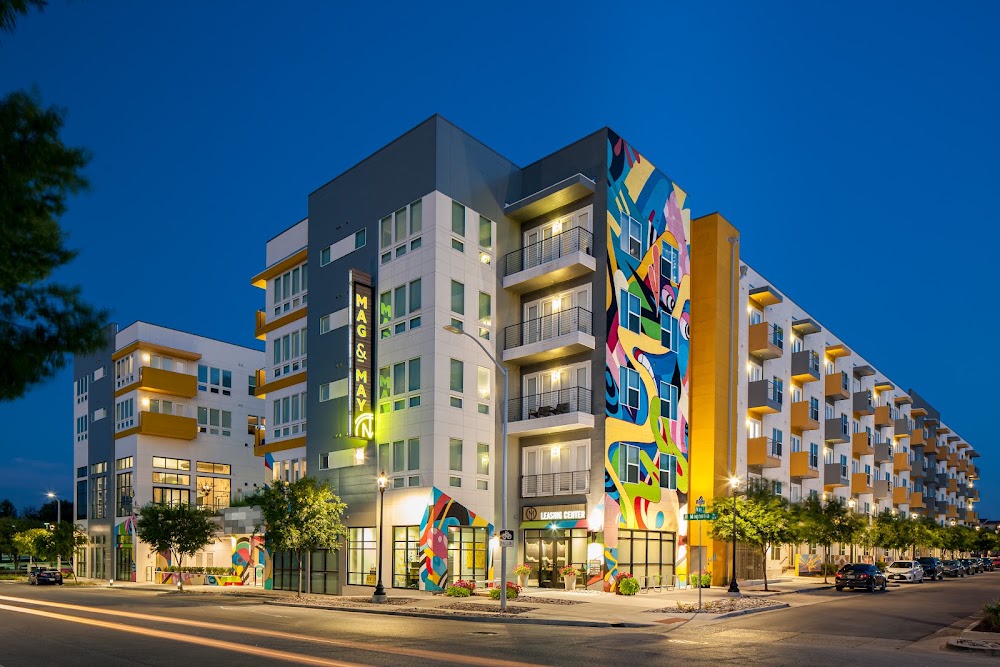
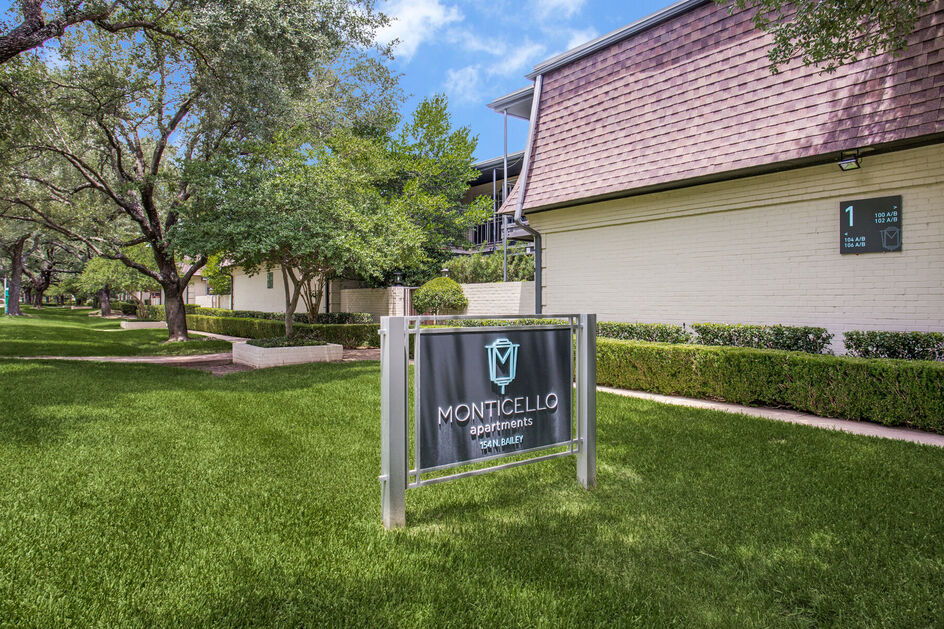
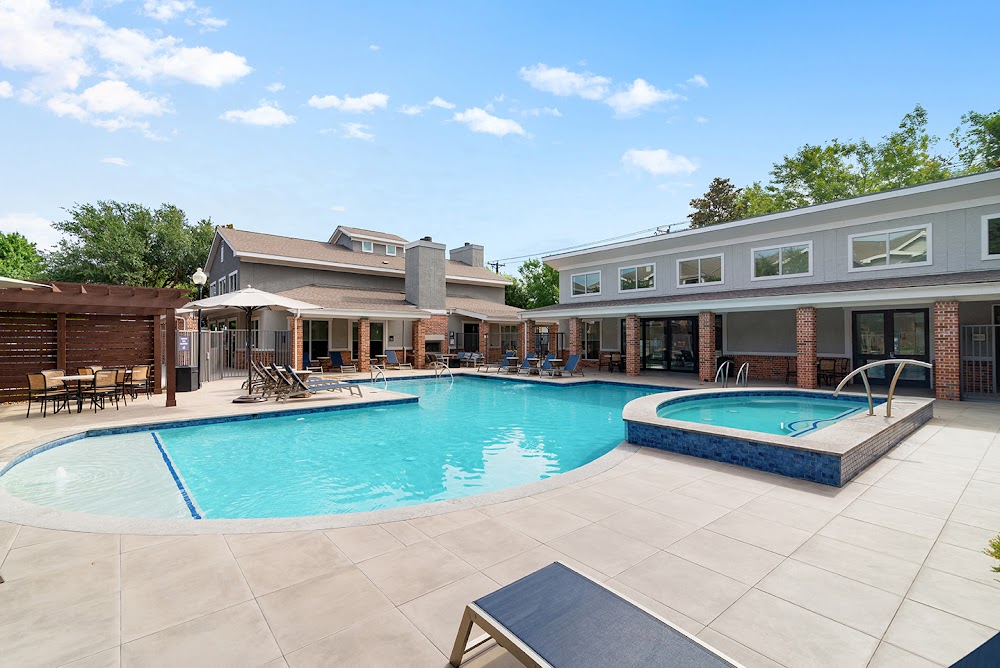
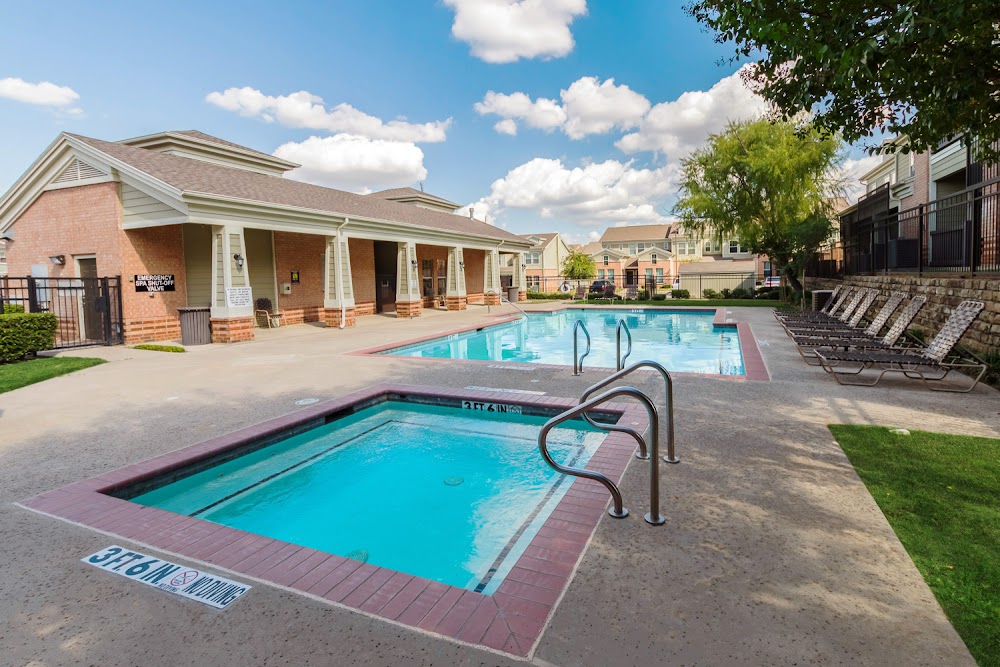
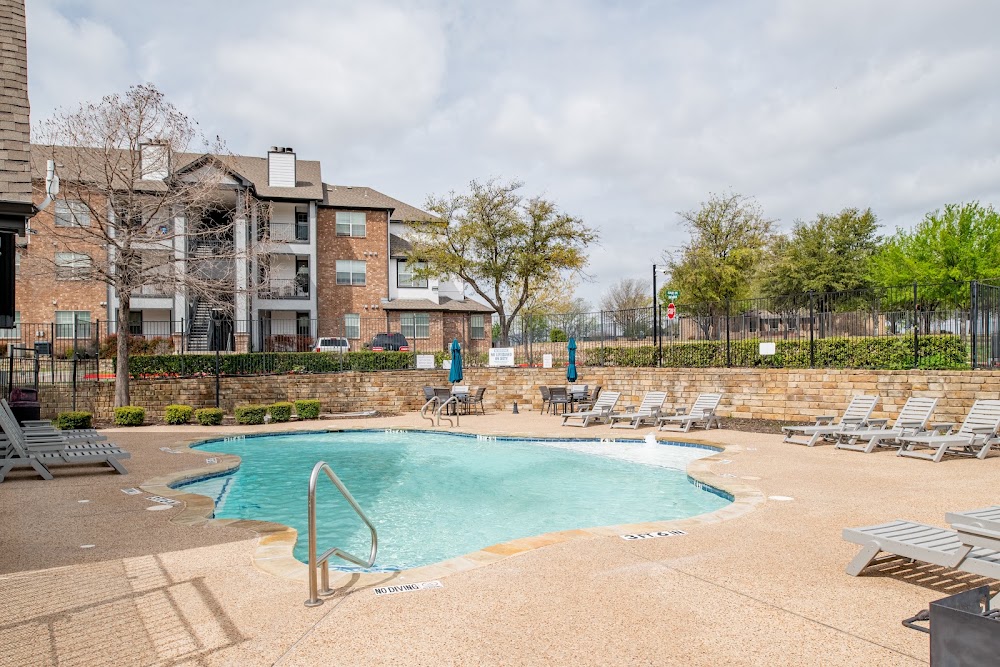
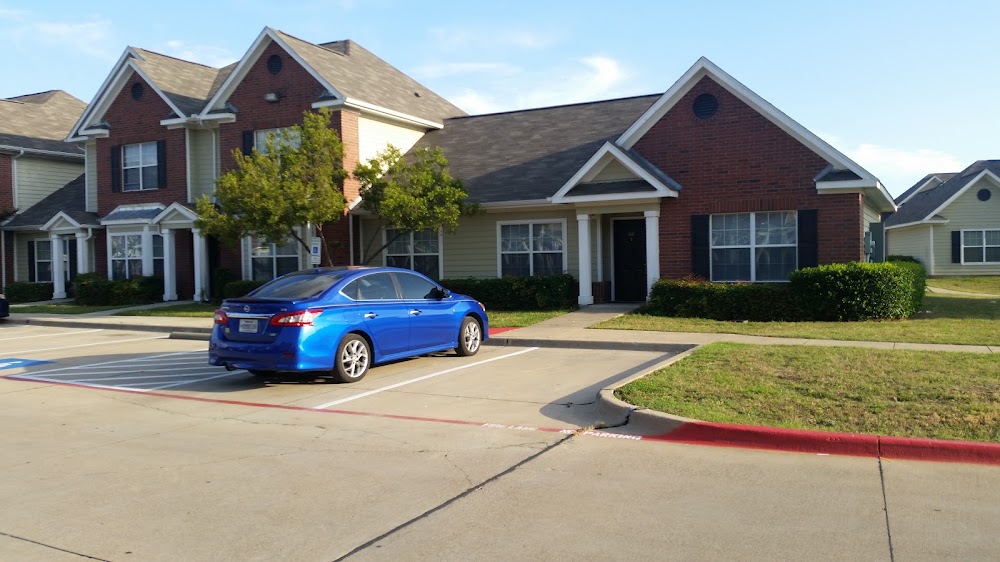
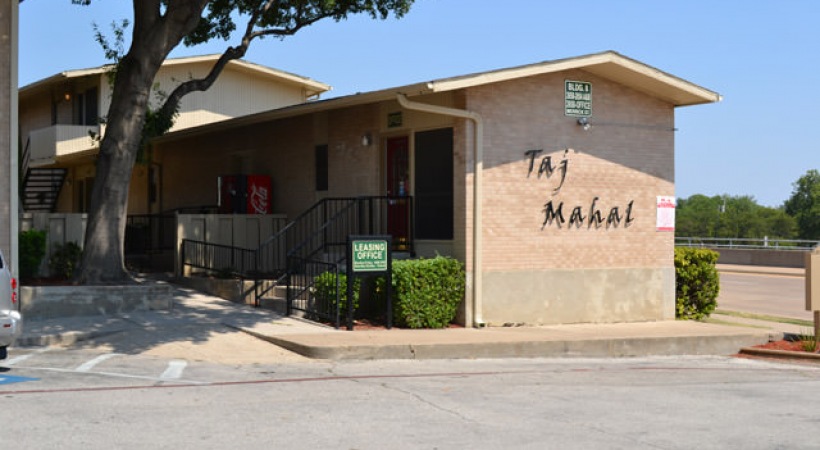
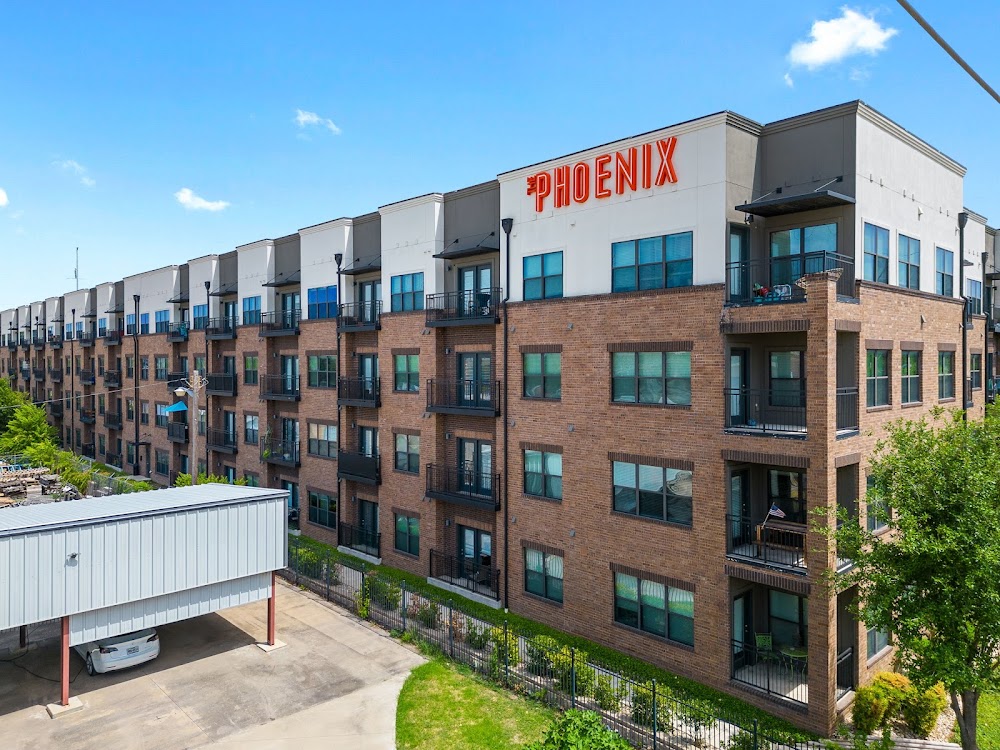
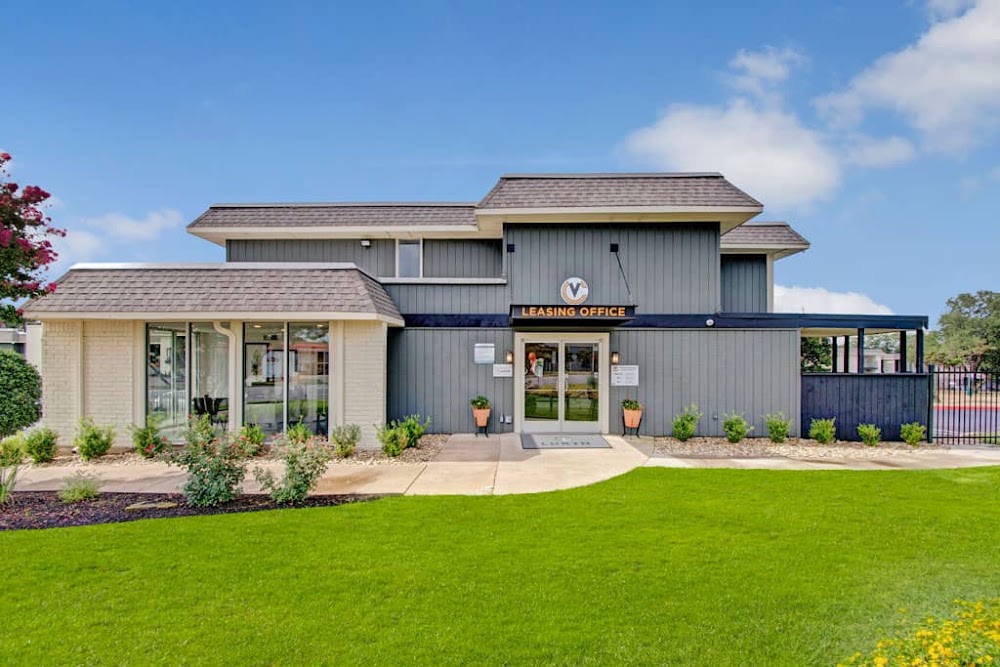
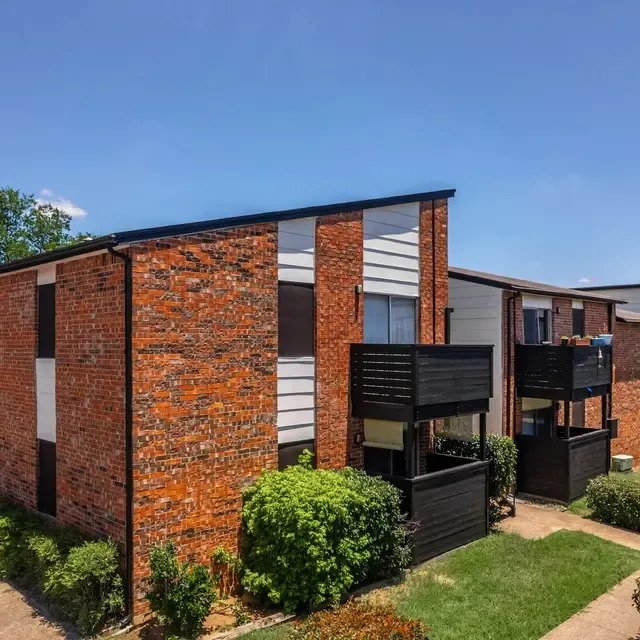
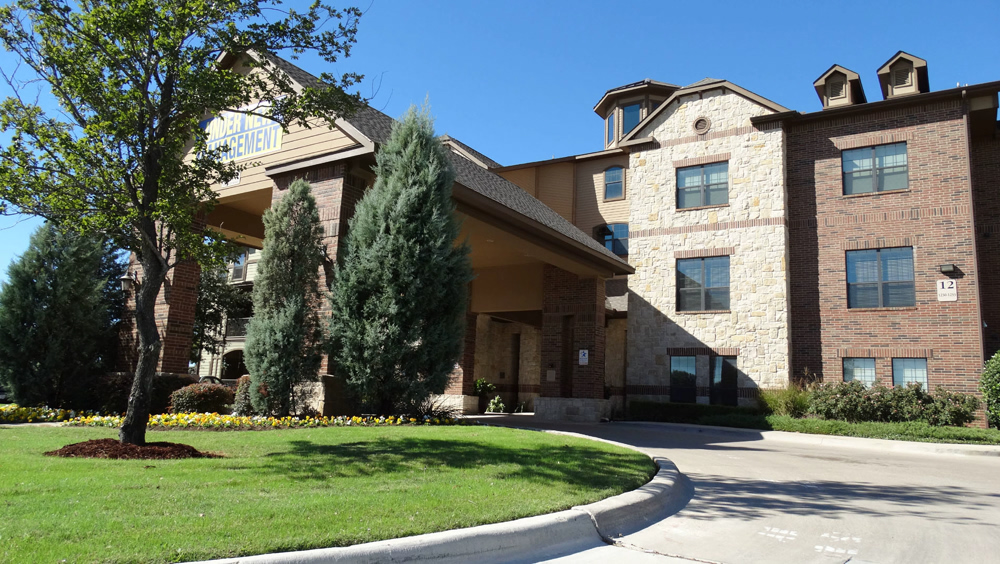
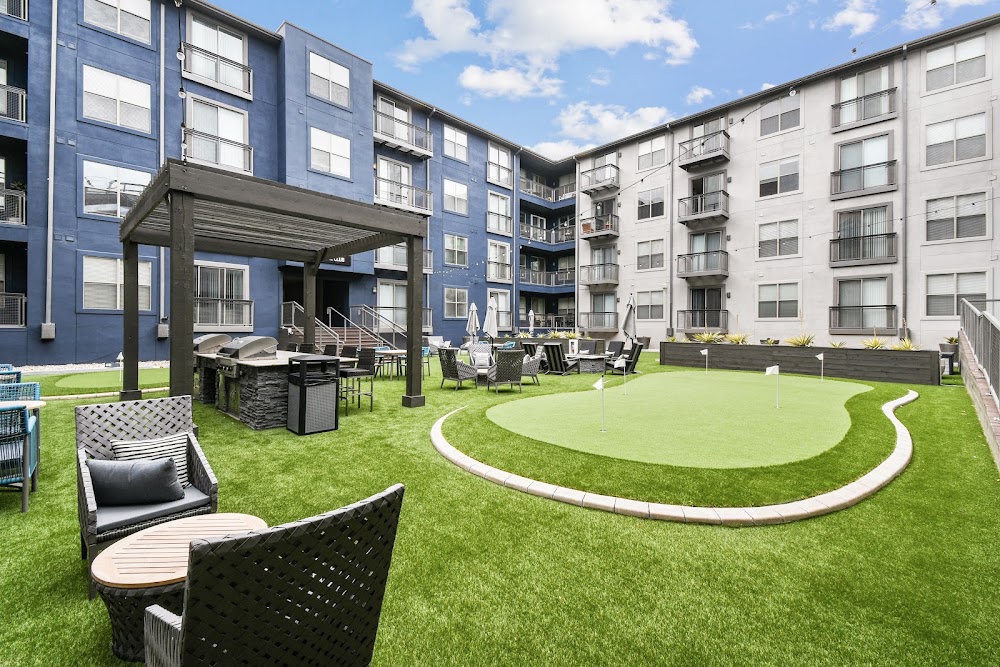
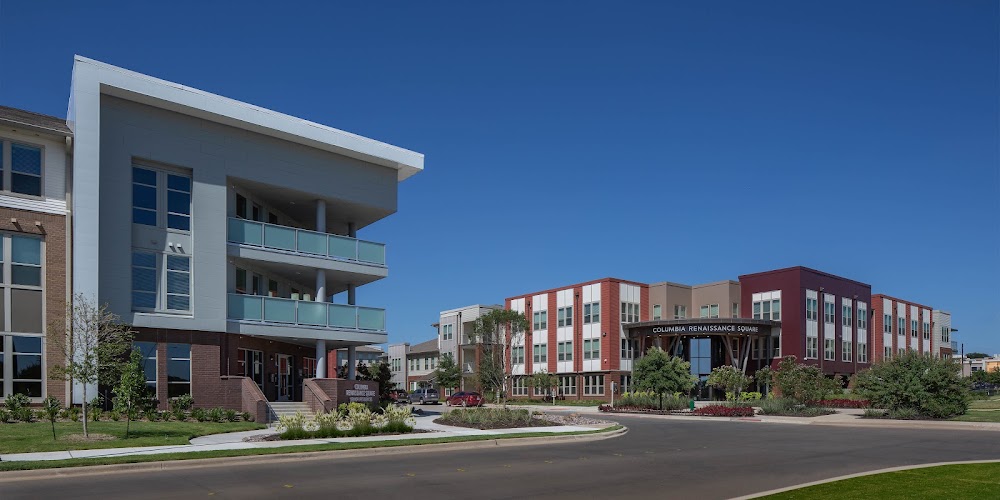
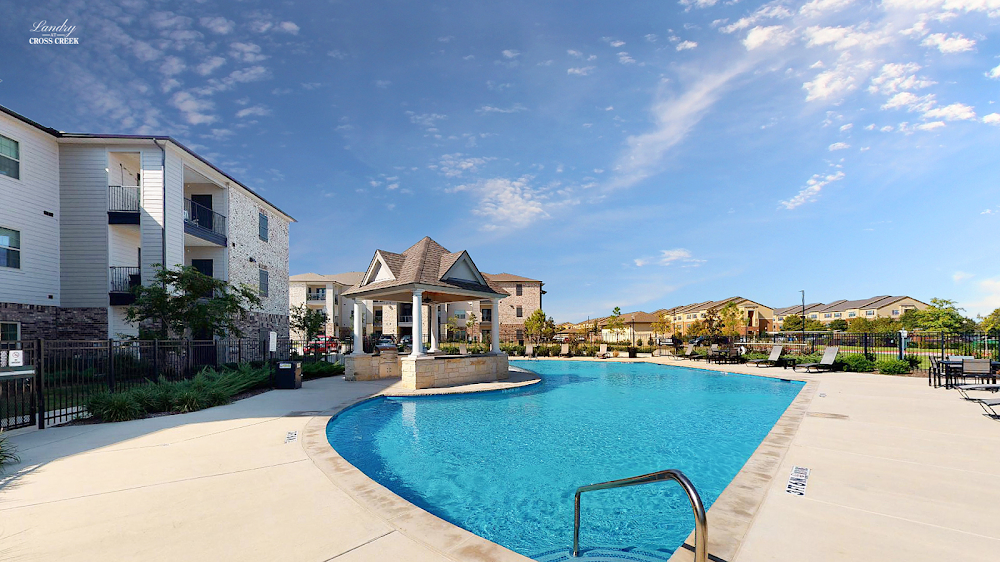
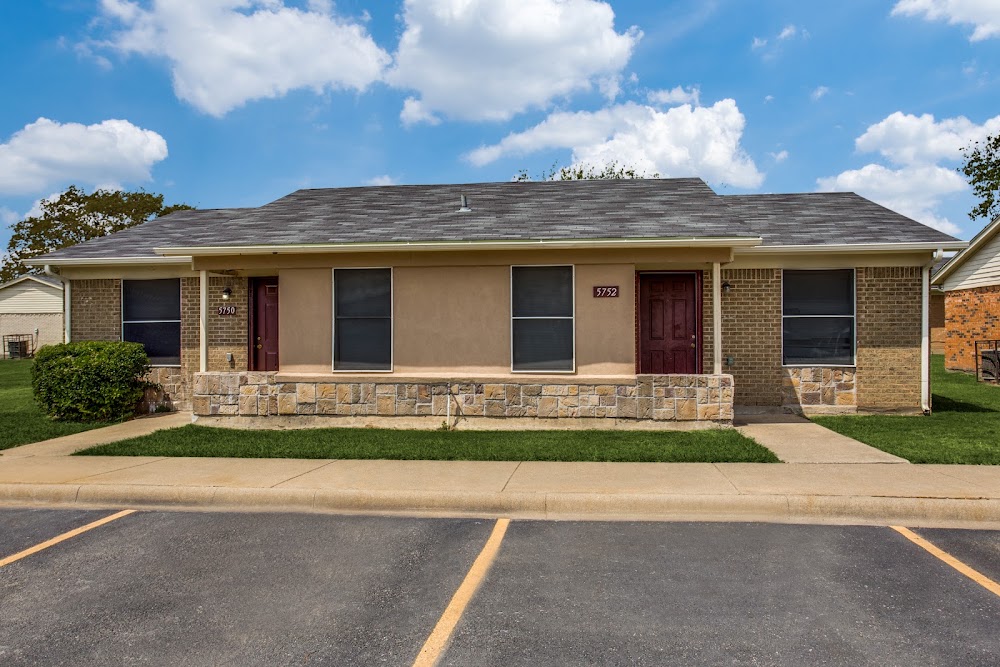
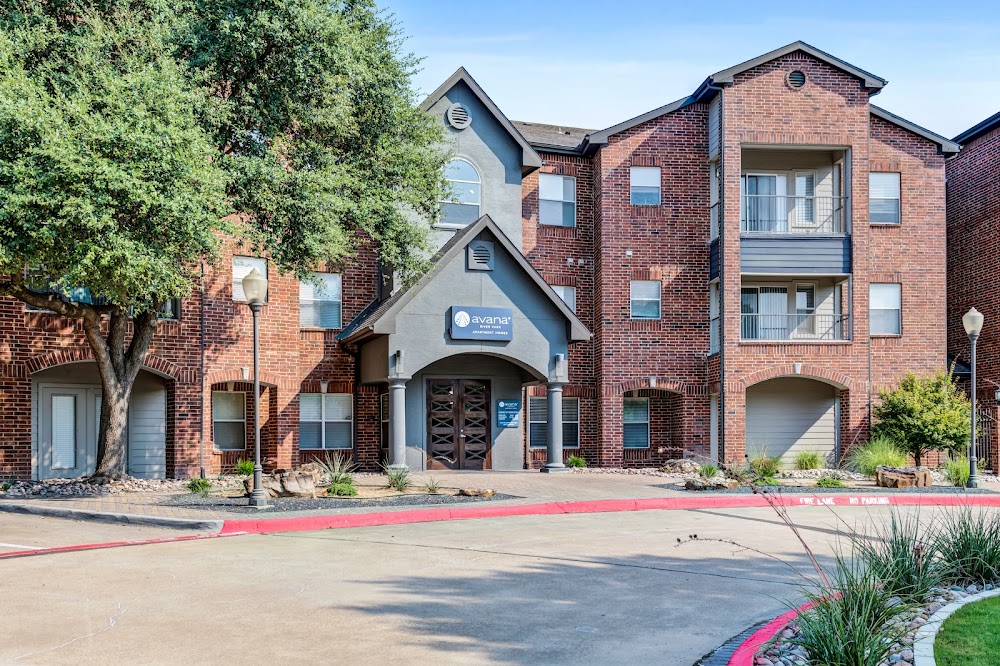
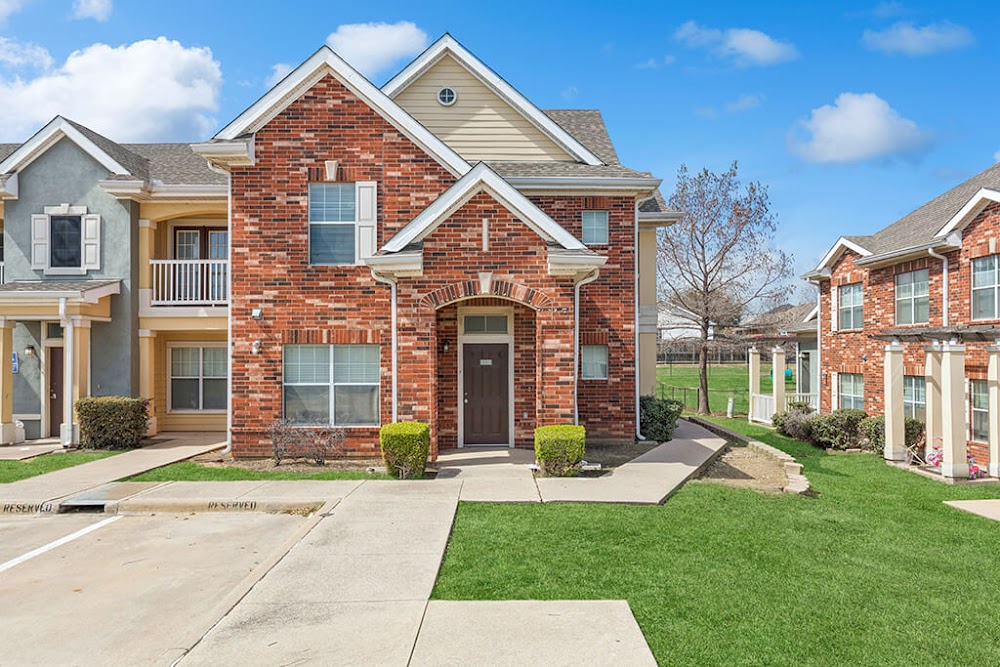
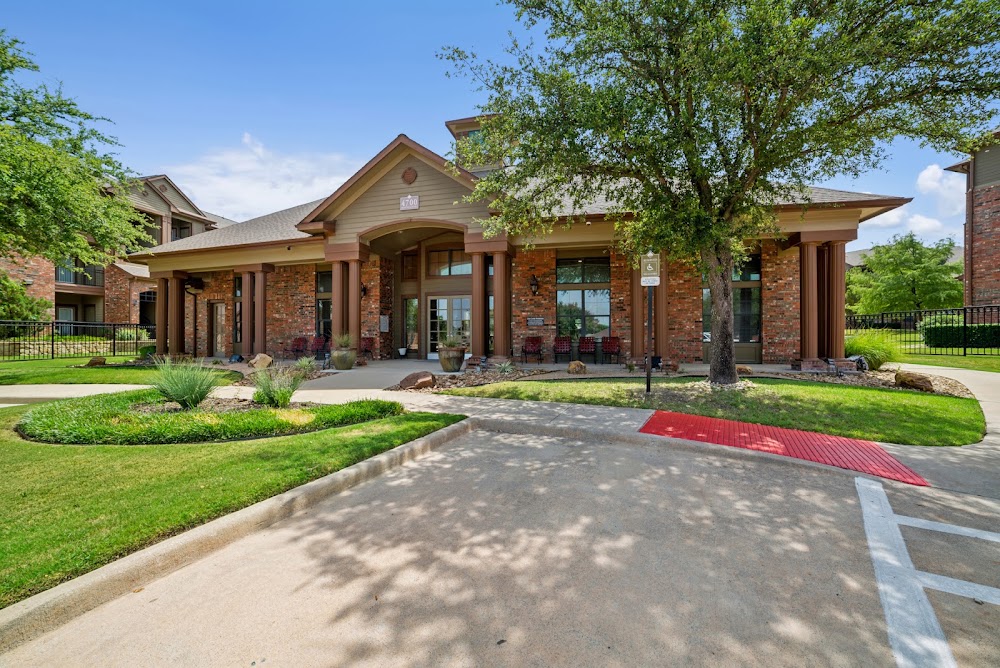
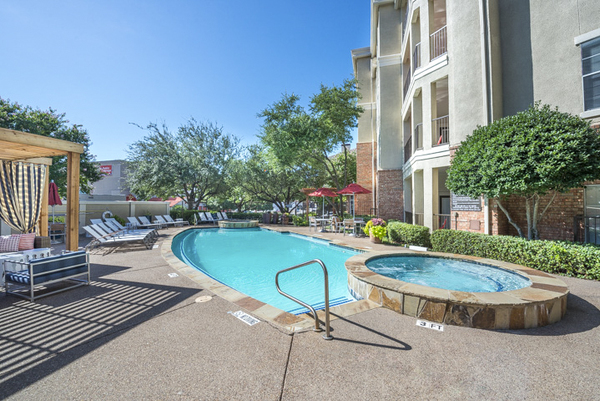
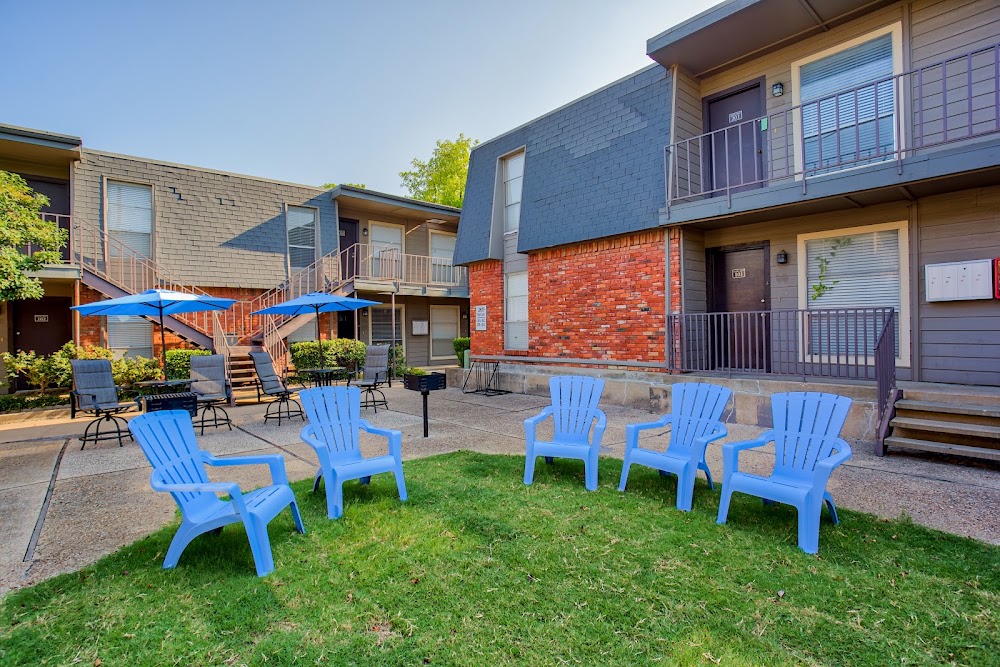
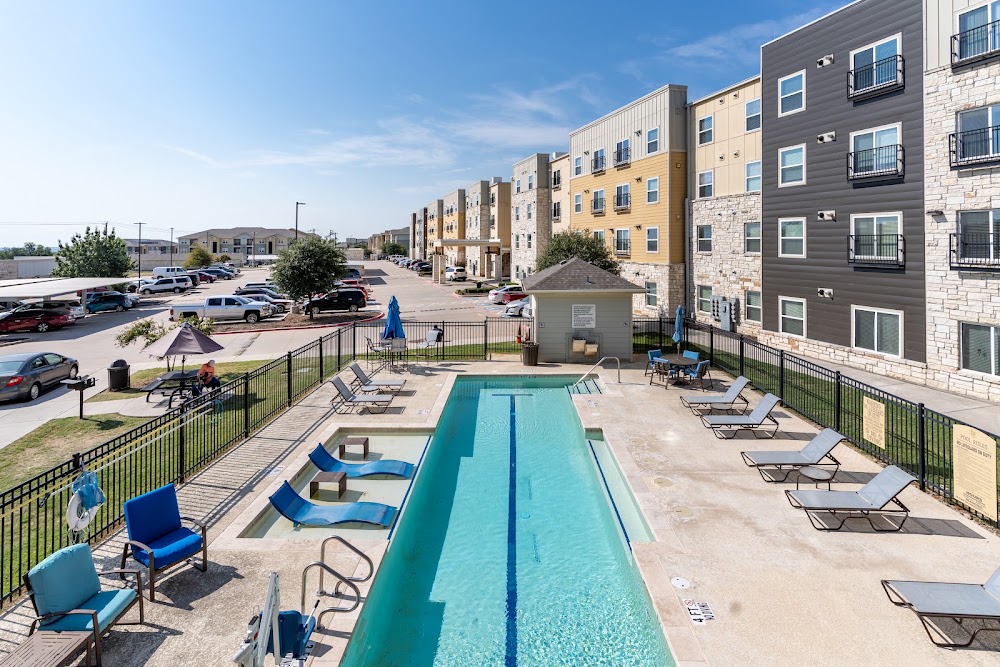
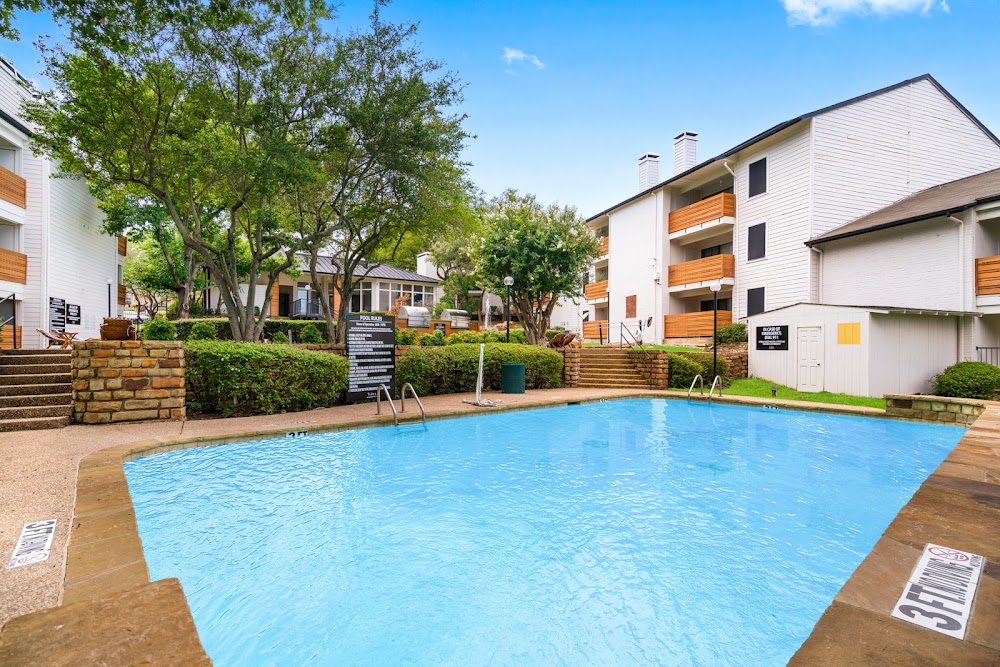
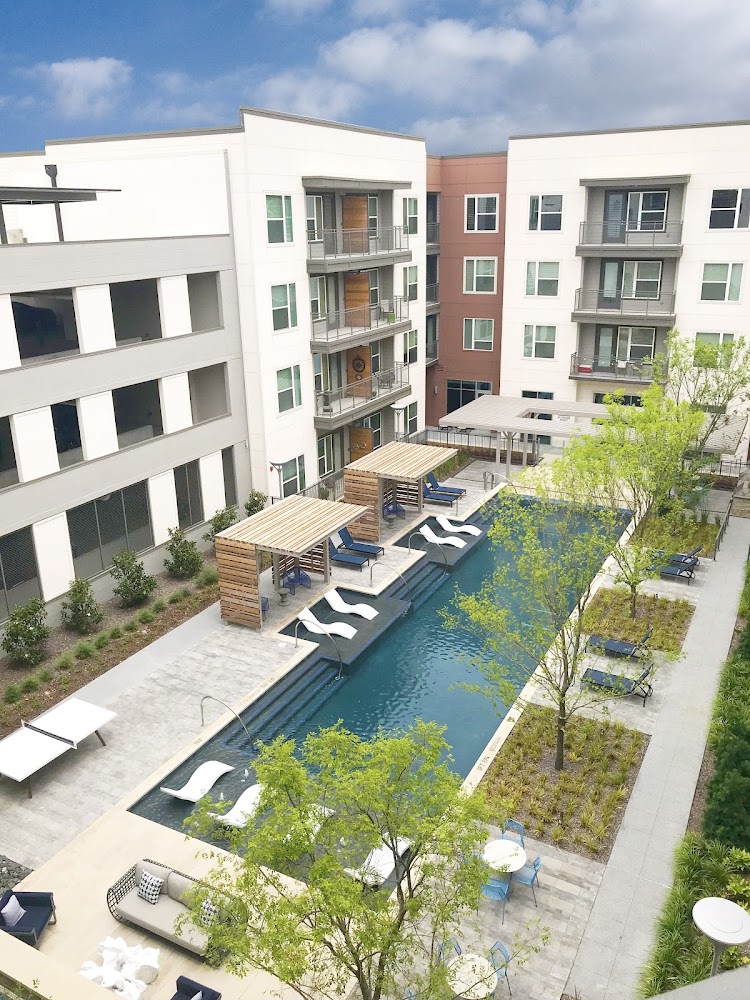
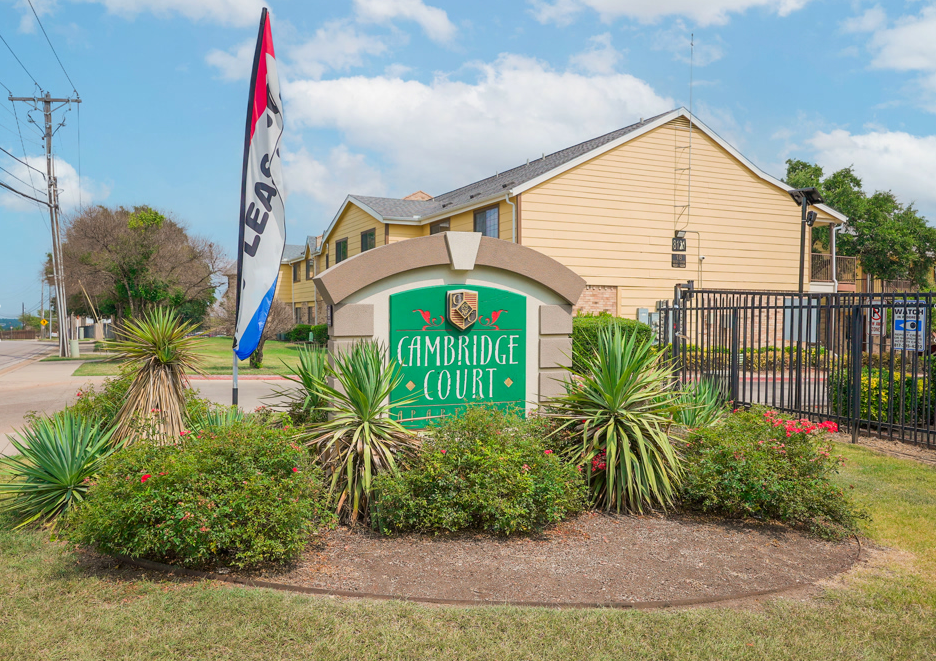
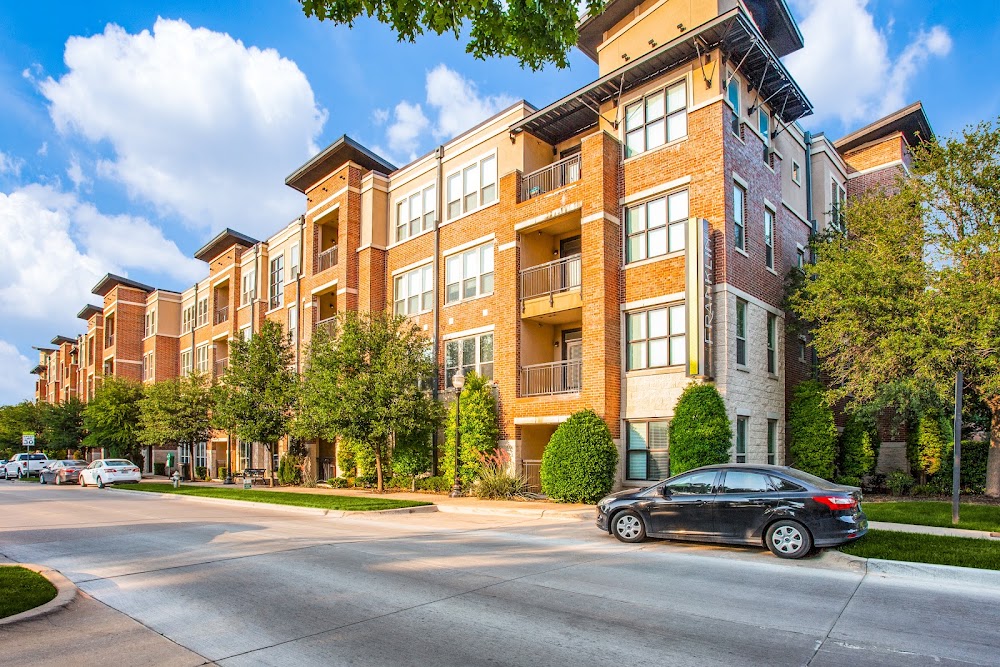
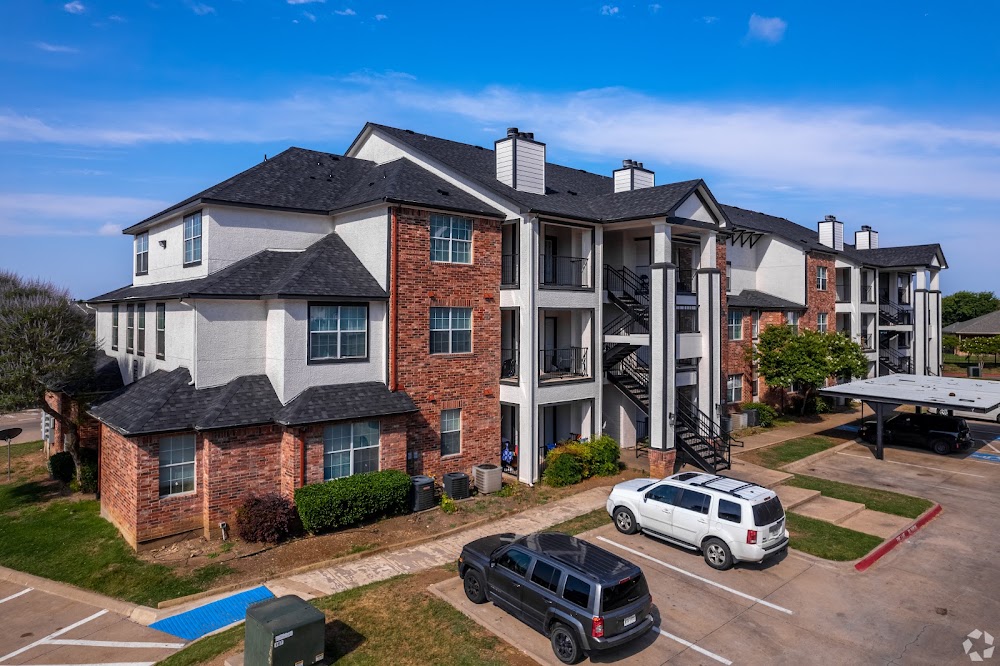
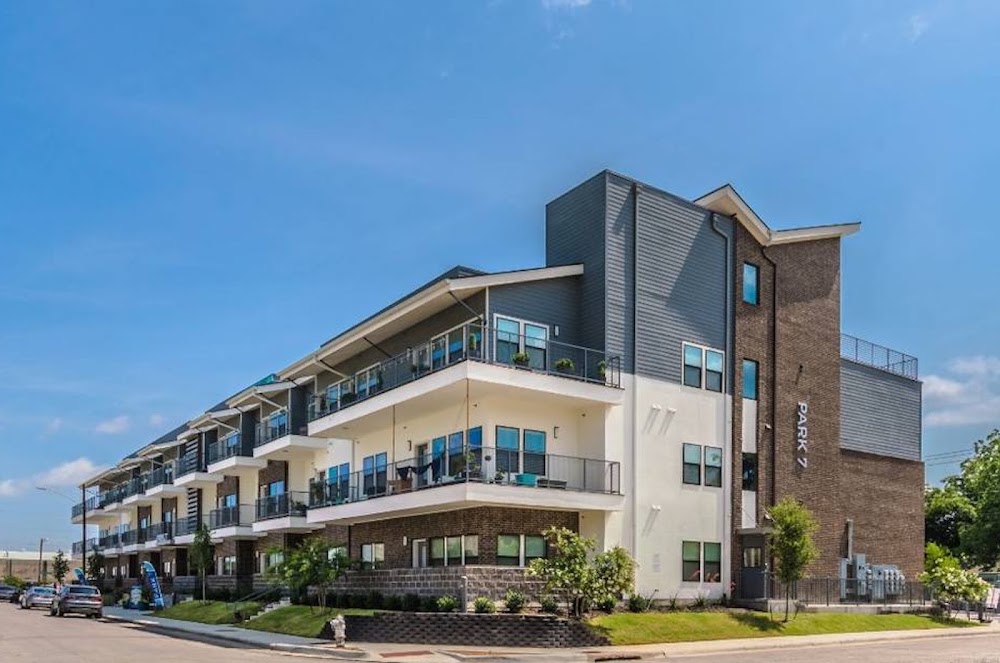
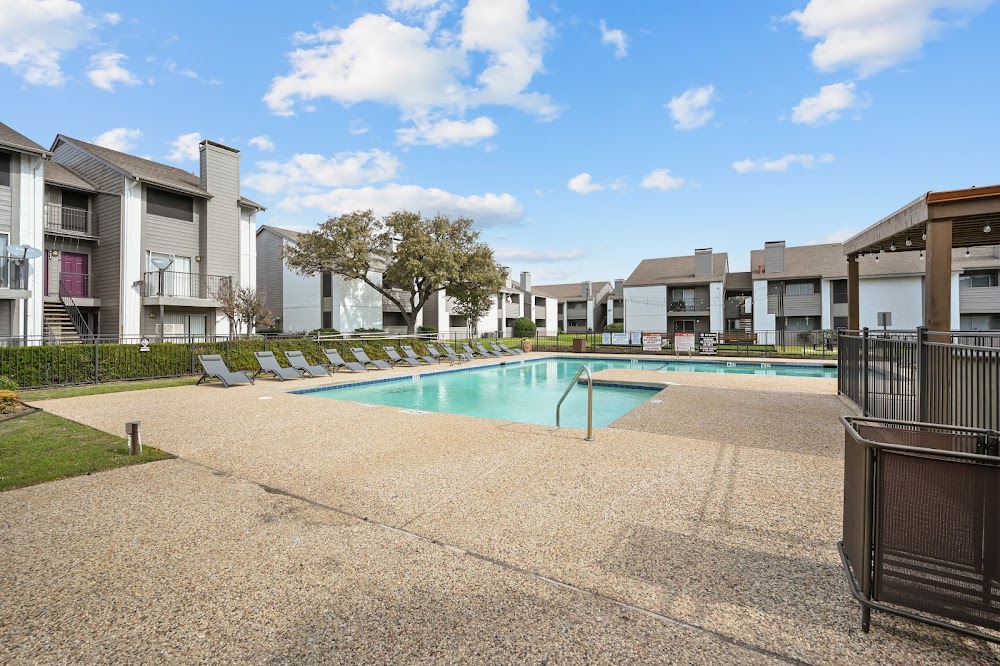
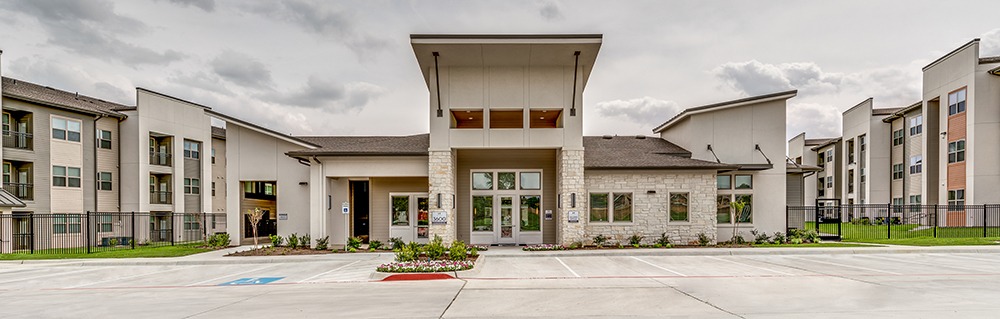
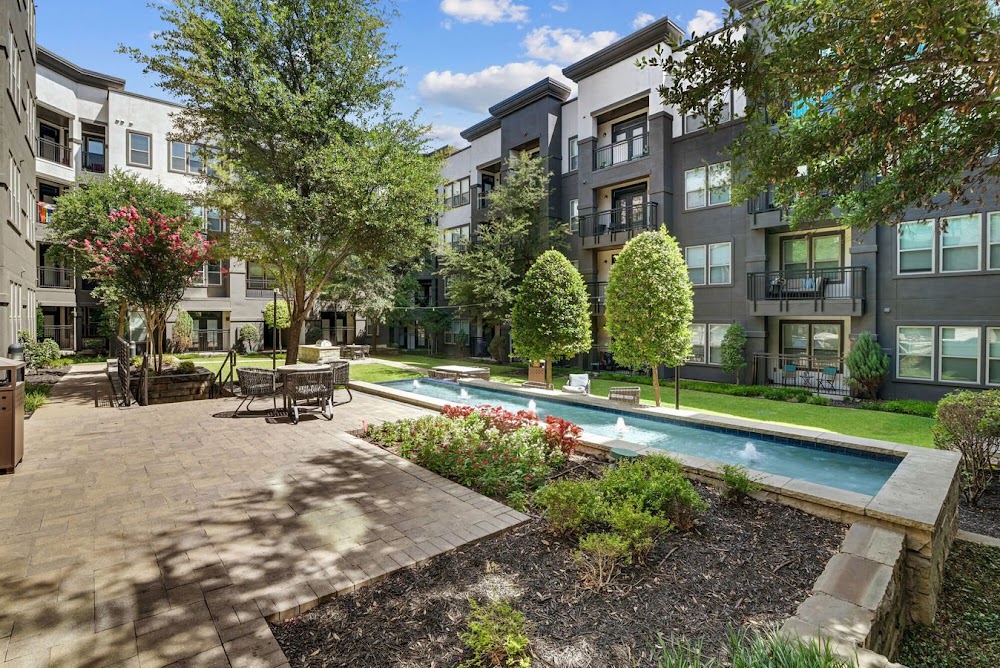
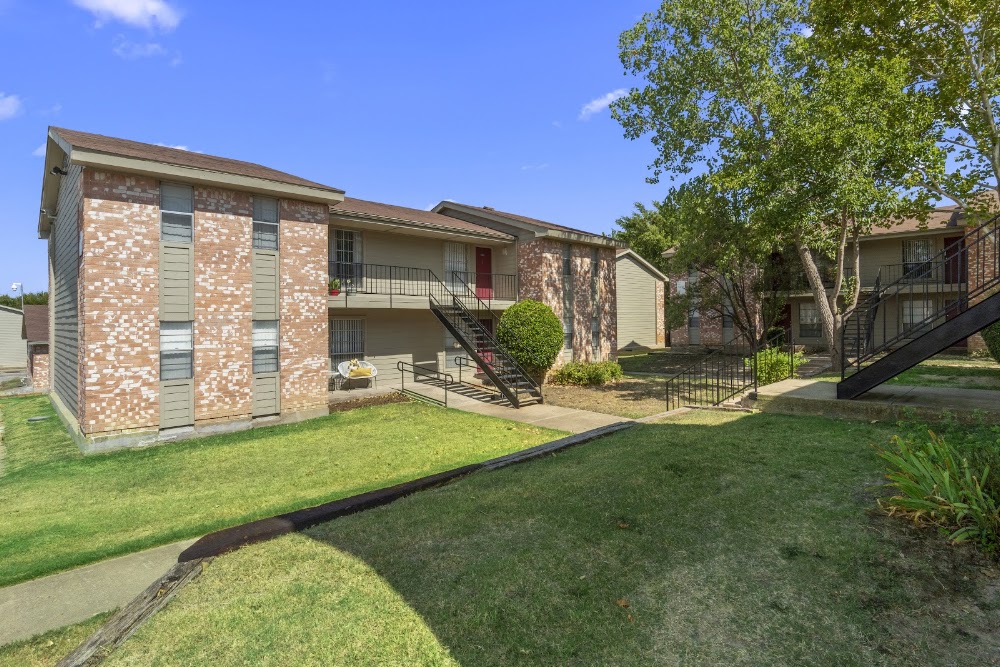
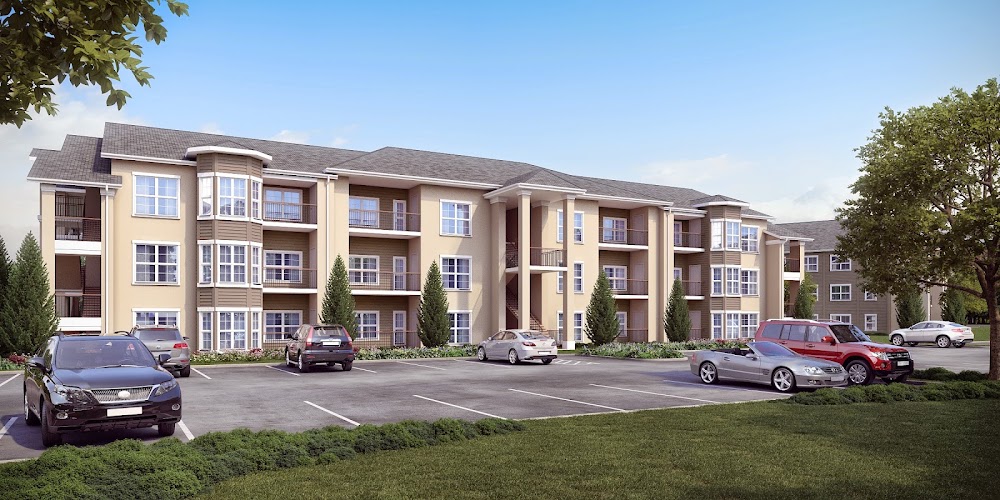
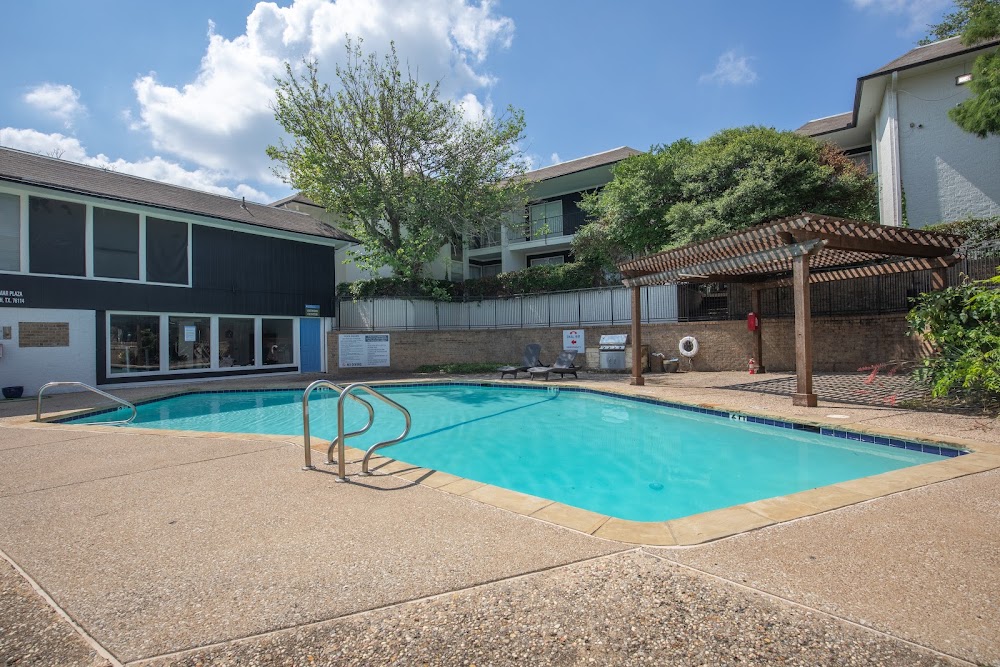
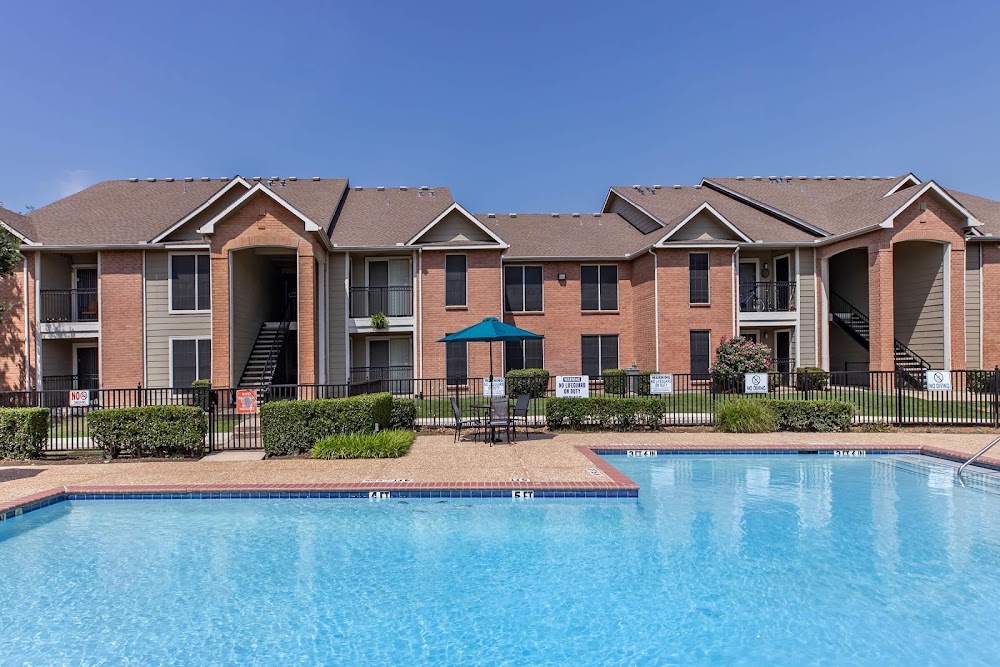
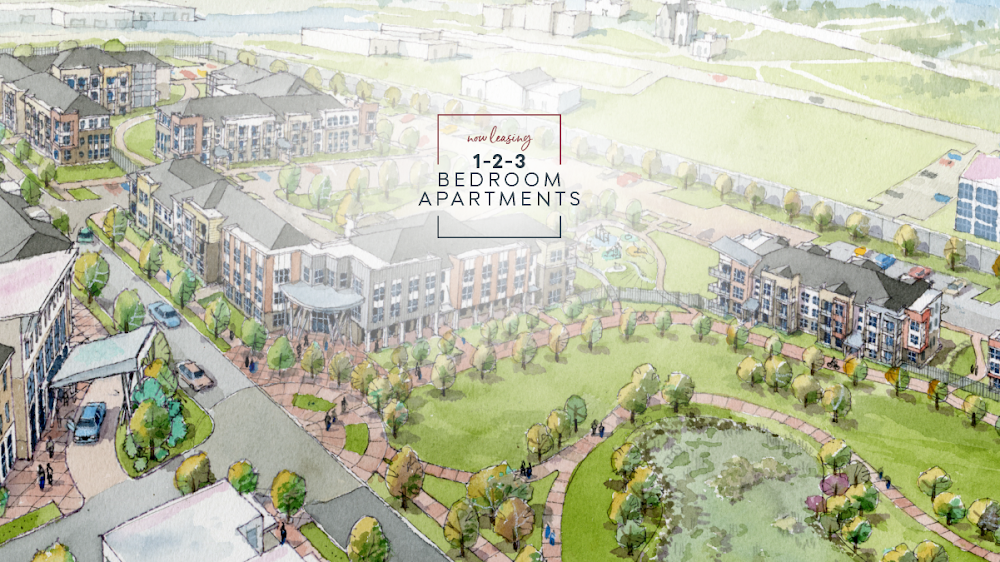
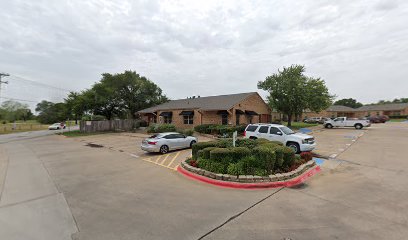
Affordable and income-restricted housing covers apartment communities where rent is tied to a household's income rather than set purely at market rate. In Fort Worth, that includes properties built with Low-Income Housing Tax Credits (LIHTC), HUD Section 8 project-based communities, public housing units managed through the Fort Worth Housing Solutions authority, and privately owned complexes that set aside a share of units for renters at 30%, 50%, 60%, or 80% of the area median income. We track 115 of these communities across the city, from South Fort Worth and the Near Southside to Riverside, Como, and the northern suburbs near Meacham.
What qualifies you
Most programs cap eligibility based on household size and gross annual income, and many require documentation like pay stubs, tax returns, or benefit letters. Some properties layer a housing choice voucher on top of restricted rent, which lowers your out-of-pocket cost further if the property accepts vouchers. Waitlists are common, especially for one- and two-bedroom units near job centers and TCC or UNT Health Science Center campuses, so it pays to apply to several properties at once rather than waiting on a single list.
What to look for before you apply
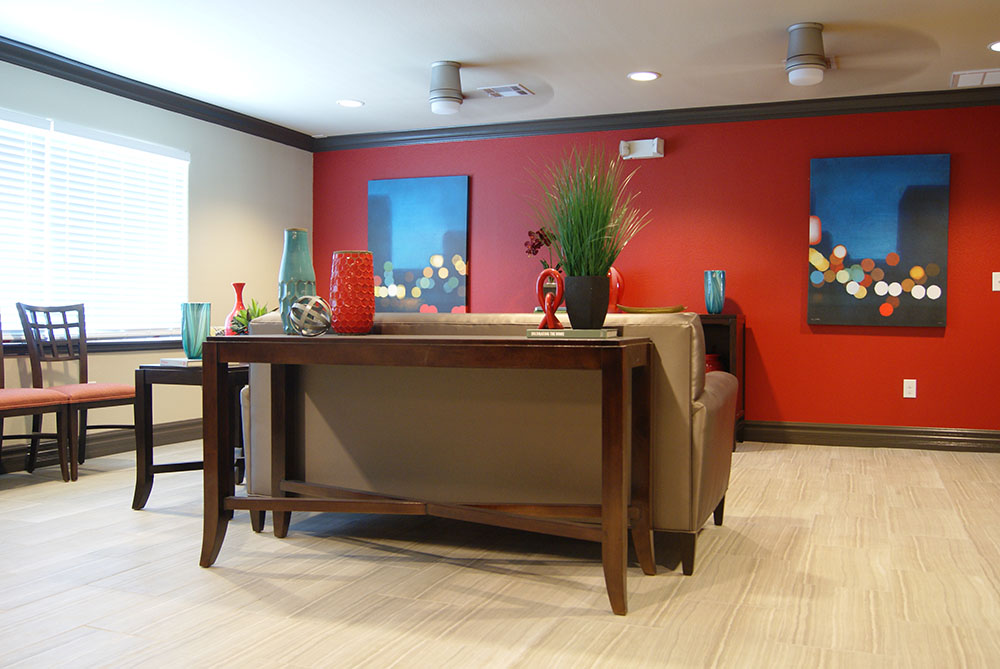
Check who administers the property (HUD, the local housing authority, or a private LIHTC manager), because that determines how income limits and recertification work. Ask about unit condition, on-site management responsiveness, utility allowances, and whether pet policies or parking come with extra fees. A property's maintenance turnaround and how clearly staff explain the recertification process tell you a lot more than the lobby does.
How we score these communities
Our rankings weigh factors like maintenance responsiveness, resident feedback, unit condition, management communication, and program stability over time. You can see the full breakdown on our methodology page, and the current rankings are on our best apartment complexes in Fort Worth guide.